What unfolded was less a scandal and more a mirror. The conversation around Michelle Obama’s update revealed how deeply people still feel connected to her, years after she left the White House. In a country exhausted by outrage and division, her voice remains one of the few that can pause the noise and pull attention toward something more human: vulnerability, pressure, and the cost of living in public.
Category: Uncategorized
-
Beloved ‘60s Hollywood star who starred alongside Marlon Brando dies at 86
Hollywood in the 1960s was full of stars whose careers seemed destined for greatness.
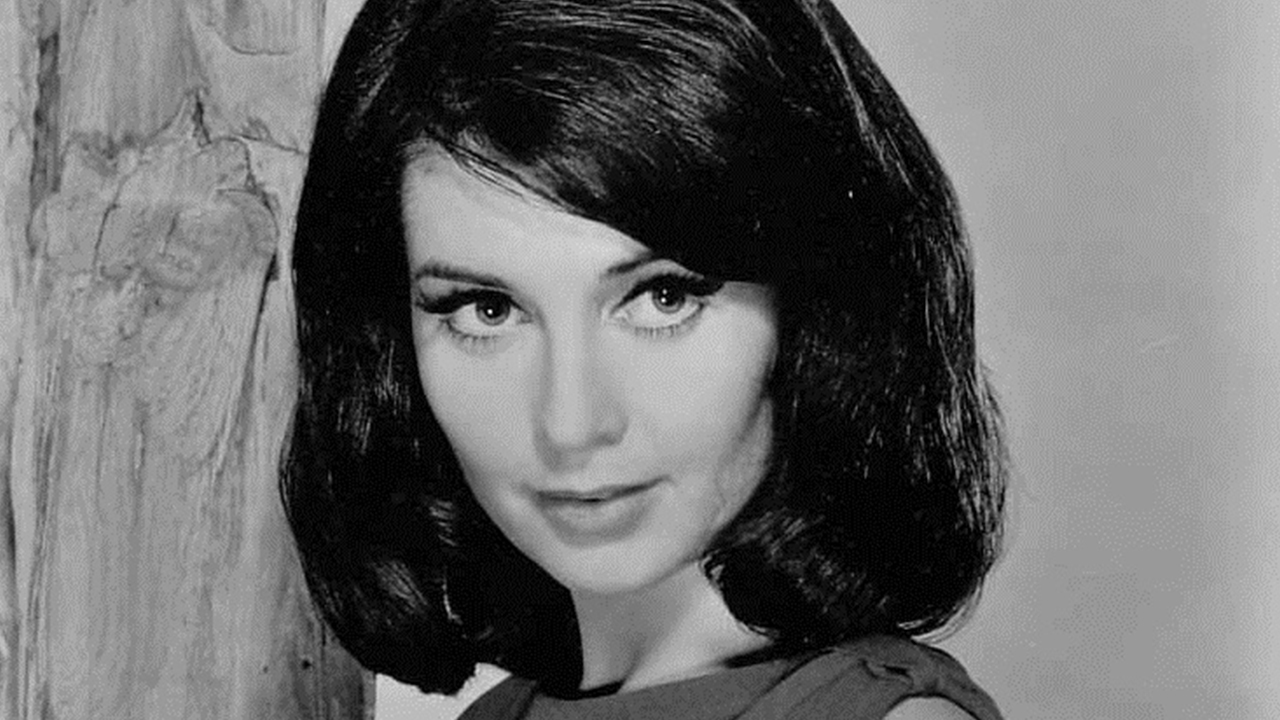
Anjanette Comer was one of them — a striking young actress who suddenly found herself being offered roles that could have changed her life forever.
But now, sad news has emerged that the actress, best known for her roles in The Loved One, The Appaloosa and The Baby, has died at 86.
For a brief moment in the 1960s, Anjanette Comer appeared to be on the fast track to becoming one of Hollywood’s biggest stars. Her Texas determination, natural acting talent, and striking looks — often compared to a young Elizabeth Taylor — were helping turn her dream into reality.
The striking, brunette beauty rose to fame after landing leading roles in The Appaloosa, Guns for San Sebastian and Lepke.
But then, Comer made a few unexpected choices that would shape the rest of her career.
At the height of her career, Comer had opportunities to star opposite Robert Redford in Barefoot in the Park and alongside Warren Beatty in Bonnie and Clyde, both released in 1967.
She declined both.
Hollywood in the 1960s was full of stars whose careers seemed destined for greatness.
Anjanette Comer was one of them — a striking young actress who suddenly found herself being offered roles that could have changed her life forever.
But now, sad news has emerged that the actress, best known for her roles in The Loved One, The Appaloosa and The Baby, has died at 86.
For a brief moment in the 1960s, Anjanette Comer appeared to be on the fast track to becoming one of Hollywood’s biggest stars. Her Texas determination, natural acting talent, and striking looks — often compared to a young Elizabeth Taylor — were helping turn her dream into reality.
The striking, brunette beauty rose to fame after landing leading roles in The Appaloosa, Guns for San Sebastian and Lepke.
But then, Comer made a few unexpected choices that would shape the rest of her career.
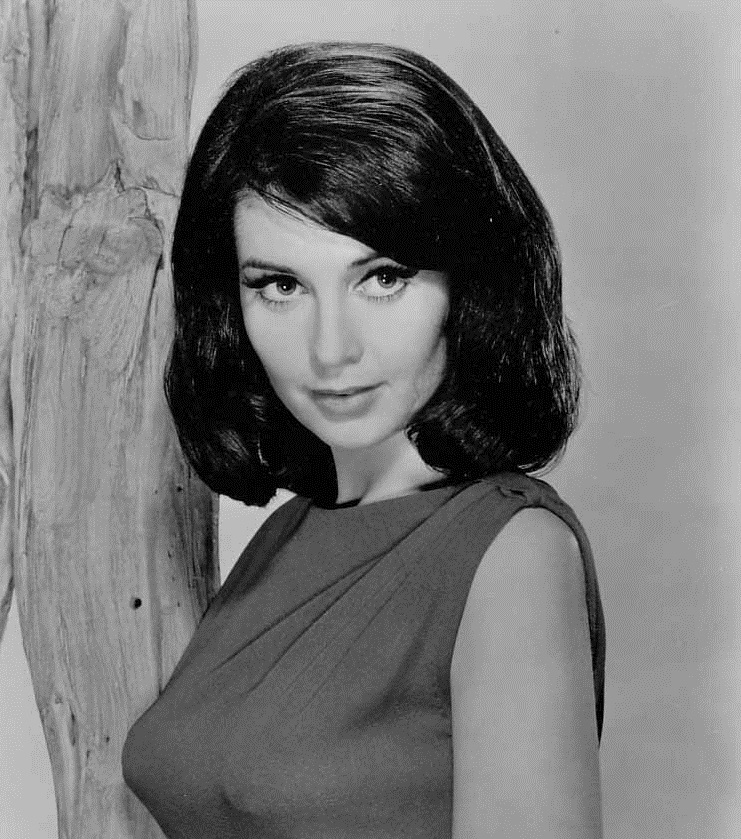
Wikipedia Commons At the height of her career, Comer had opportunities to star opposite Robert Redford in Barefoot in the Park and alongside Warren Beatty in Bonnie and Clyde, both released in 1967.
She declined both.
Jane Fonda ultimately took the role in Barefoot in the Park, while Faye Dunaway landed the part in Bonnie and Clyde. Both movies became major successes and helped cement their stars as Hollywood icons.
Looking back years later, Comer was remarkably candid about why she had made those decisions. In a 1981 interview with UPI, she explained that she had been involved in what she described as a “very important relationship” with an actor who did not want her working in movies.
“At that time I was young and naive,” she said.
She also admitted something that might surprise fans looking back at her promising early career:
“I hated my career.”
Different approach on Hollywood
Comer had arrived in Hollywood with remarkable speed. Born Aug. 7, 1939, in Dawson, Texas, she studied acting at the Pasadena Playhouse after growing up in the small Texas community.
While other young actresses were drawn to Hollywood’s glamour and nightlife, Anjanette took a very different approach. She focused on honing her craft and preparing for the right opportunity.
In fact, during her first two years in Hollywood, she never actively pursued a professional job or even visited a film studio. Instead, she simply practiced, studied and worked on becoming a better actress.
Her television career began in the early 1960s, with appearances on shows including My Three Sons and The Donna Reed Show. In 1963, she appeared on Gunsmoke, Ben Casey and Arrest and Trial.
Her performance on Arrest and Trial earned her an Emmy nomination for supporting actress.
Then came the movies.
Starring opposite Marlon Brando
Comer made her big-screen debut in the 1964 comedy Quick, Before It Melts, but it was her role in The Loved One the following year that really put her on the map.
In the dark comedy about the funeral industry, she played Aimee Thanatogenous, a young mortician who delivers one of the movie’s most memorable exchanges:
“What did you have in mind? Inhumement, entombment, inurnment, immurement? Some people just lately have preferred ensarcophagusment. It’s very individual.”
She followed that with a major role opposite Marlon Brando and John Saxon in The Appaloosa in 1966, playing a Mexican woman caught up in the film’s Western drama.
But around the same time, another decision would complicate her career.
Comer had been cast opposite Michael Caine in Funeral in Berlin, the 1966 sequel to The Ipcress File. During production, however, she left Germany and was replaced by Eva Renzi.
Years later, Comer acknowledged that her behavior had earned her a reputation in Hollywood.
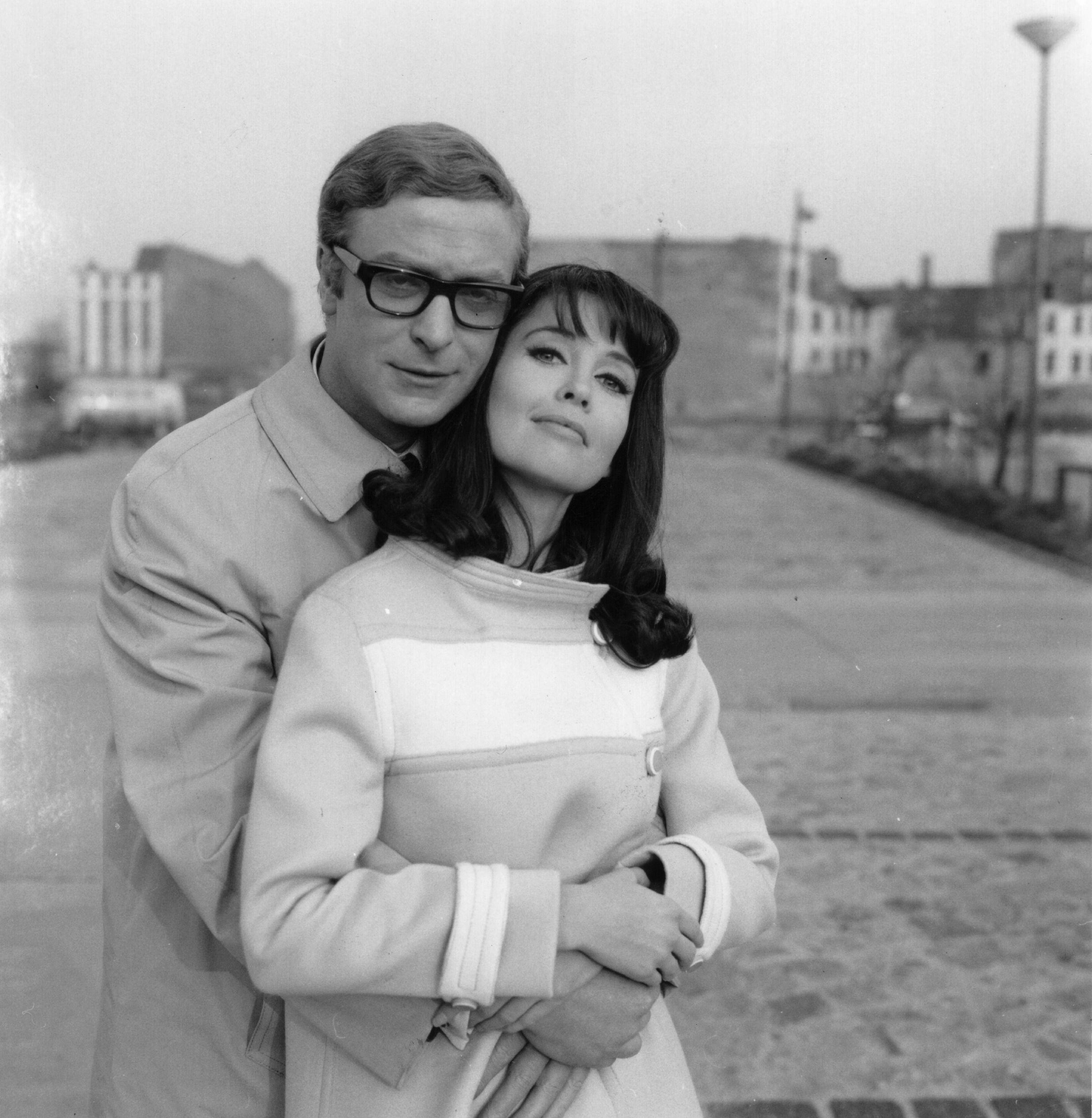
Michael Caine and Anjanette Comer in Berlin during the filming of ‘Funeral in Berlin’. (Photo by Reg Lancaster/Express/Getty Images) “I had a reputation for being crazy because I’d walked out on Funeral in Berlin,” she said.
“And I guess I was crazy. You see, I didn’t build my career slowly like most successful actresses do. After a couple of TV appearances, I became an instant movie star. I didn’t know how to handle it all emotionally.”
Her career never completely disappeared, but it didn’t reach the heights many might have expected from those early years.
She continued appearing in movies and television, including Guns for San Sebastian, Rabbit, Run, The Firechasers, Fire Sale and Steven Soderbergh’s The Underneath. She also made guest appearances on familiar television favorites such as Bonanza, Mannix, Columbo, Hotel and The Practice.
One of her later memorable performances came in the bizarre 1973 horror film The Baby, where she played a social worker.
Leukemia battle
Actress Marianna Hill, who appeared alongside Comer in the film, remembered how seriously she approached her craft.
“She would tell me, ‘I’m going to create an inner life and this and that for my character,’” Hill recalled in a 2016 interview.
Comer’s personal life also took a different path than she may once have imagined.
The relationship that had influenced some of her career decisions ultimately did not last. She later married writer, screenwriter and director Robert Klane, best known for Where’s Poppa?, Fire Sale and Weekend at Bernie’s. They were married from 1976 until their divorce in 1983.
In that 1981 interview, Comer remained hopeful that she could once again reach the level of success she had experienced as a young actress.
“I’m absolutely certain I will get back to the high point of my career,” she said. “I’ve done it before and I can do it again. I have to believe that so other people will believe it, too.”
Comer died on May 28 at UCLA Santa Monica Medical Center, but news of her death was not made public until September 2026. According to a death certificate obtained by The Hollywood Reporter, she had been battling leukemia and also had heart problems.
Anjanette Comer, ca.1970. (Photo by Michael Ochs Archives/Getty Images) Anjanette Comer never became the household name that some of her contemporaries did, but for those who remember the movies and television of the 1960s, Anjanette Comer remains a fascinating reminder of just how unpredictable Hollywood can be.
She had the talent, the looks and the opportunities — including two roles that went on to become defining moments for Jane Fonda and Faye Dunaway.
And perhaps that’s what makes her story so unforgettable: sometimes a Hollywood career is shaped just as much by the roles an actor says no to as the ones they say yes to.
Rest in peace, Anjanette.
READ MORE
-
These are the signs that he is cr… See more
Lip Cancer Tongue Cancer Inner Cheek Cancer Gum Cancer Cancer of the lower part of the mouth You should see your dentist as soon as you see symptoms of oral cancer.
-

My Husband Got This Photo From Me — And Asked for a Divorce Minutes Later. I Had No Idea What I’d Done Wrong
I was getting ready that morning, feeling good about myself for the first time in a while. My hair had turned out exactly the way I wanted, my outfit looked great, and the natural light coming through the bedroom window made everything seem just a little brighter. It wasn’t a special occasion or a major event—just one of those rare moments when I caught my reflection in the mirror and actually liked what I saw.
-
A Vet Freed a Chained Wild Horse in Romania—What Happened Next Was Unforgettable
A widely shared video of veterinarian Dr. Ovidiu Roșu helping a restrained mare and being gently approached by another free-roaming horse in Romania’s Danube Delta brought public attention to a long-running, complex conservation project.
While the horses have a 700-year history in the region and expanded significantly after 1989, their growing numbers threatened-
the protected Letea Forest ecosystem, leading to a 2011 crisis and the implementation of a non-lethal immunocontraception program by FOUR PAWS and veterinary teams. Over more than a decade, this
initiative combined population management, medical care, and scientific monitoring until responsibility was handed over to national authorities in 2025.
-
Which Egg Is From The Healthiest Chicken? Choose 1, 2, Or 3 Before Seeing The Answer! 🥚👇 ᅠ͏
That rich, orange yolk you proudly pay extra for might not mean what you think. For years, we’ve been taught to believe that a darker yolk automatically means a healthier, higher-quality egg. But the truth is more complicated.
Yolk color is influenced mainly by what the hen eats. Foods naturally rich in carotenoids, such as grass, alfalfa, and marigold petals, can create a deeper orange color. However, certain feed additives can also produce a similar effect.
So while a bright orange yolk may look impressive, color alone cannot tell you how nutritious or healthy an egg is. A pale-yellow yolk isn’t automatically inferior, and a deep-orange yolk isn’t automatically better.
Eggs can provide important nutrients such as protein, vitamin B12, vitamin D, selenium, and choline regardless of whether the yolk is pale yellow or vibrant orange.
What matters more is what you can’t necessarily see on your plate: the hen’s overall diet, farming conditions, hygiene, storage, and the freshness of the egg.
So next time you’re standing in the grocery aisle comparing cartons, remember this: don’t let yolk color make the entire decision for you. It can tell you something about the hen’s diet, but it doesn’t tell the whole story.
The most attractive yolk may simply be the one designed to catch your eye.
-

If you drool while you sleep its a sign that See more
Drooling during sleep is a common biological process that happens when normal saliva control decreases while your body rests.
Your mouth produces saliva continuously throughout the day to support digestion, protect teeth, and keep oral tissues healthy.
While awake, swallowing happens automatically and frequently without conscious effort.
During sleep, especially in deeper stages of rest, swallowing slows significantly as the body shifts into recovery mode.
Muscles in the jaw, tongue, and face relax during sleep as part of natural restoration processes.
This relaxation can allow the mouth to open slightly without you noticing.
When the mouth is open, saliva can escape instead of being swallowed.
Sleeping position plays a major role in how noticeable drooling becomes.
People who sleep on their side or stomach are more likely to experience saliva leakage due to gravity.
Back sleeping often reduces drooling because saliva is more likely to stay inside the mouth.
Deep sleep stages can also increase drooling because muscle control is at its lowest point during these phases.
This is usually a harmless sign that the body is entering restorative sleep cycles.
In many cases, drooling simply reflects normal physiology rather than a medical problem.
However, frequent or sudden changes in drooling patterns can sometimes indicate underlying health factors.
One of the most common contributors is nasal congestion caused by conditions such as allergies or sinus inflammation.
Allergic Rhinitis can block nasal airflow and force breathing through the mouth during sleep.
Mouth breathing increases the likelihood of saliva escaping from the mouth throughout the night.
Colds and respiratory infections can temporarily worsen this effect by narrowing nasal passages.
Another important factor is sleep posture combined with relaxed airway muscles during deep sleep stages.
Alcohol consumption before bed can further relax muscles and reduce swallowing reflexes during the night.
Heavy meals close to bedtime can also increase saliva production and contribute to nighttime discomfort.
In some cases, digestive issues may play a role in increased drooling while lying down.
Gastroesophageal Reflux Disease can irritate the throat and stimulate extra saliva production as a protective response.
When stomach acid moves upward during sleep, the body may produce more saliva to neutralize irritation.
This can lead to increased drooling along with symptoms such as throat discomfort or nighttime coughing.
Sleep disorders are another important category to consider when drooling becomes frequent or severe.
One of the most significant conditions linked to nighttime mouth breathing and drooling is Sleep Apnea.
Sleep apnea occurs when breathing repeatedly stops and starts during sleep due to airway obstruction or neurological signaling issues.
This condition often forces the mouth to remain open to maintain airflow, increasing saliva leakage.
Common signs of sleep apnea include loud snoring, morning headaches, and excessive daytime fatigue.
In some cases, neurological conditions can also affect swallowing coordination during sleep.
Certain medications that relax muscles or increase saliva production may also contribute to drooling at night.
While these causes are less common, they become more relevant when drooling appears suddenly or becomes severe.
Most people who experience occasional drooling do not have any serious medical condition.
It is often simply a reflection of sleep position, deep rest, or temporary nasal blockage.
However, the pattern of drooling can still provide useful clues about sleep quality and breathing efficiency.
Understanding why it happens can help identify whether it is harmless or worth further attention.
When drooling is frequent or newly developed, it is often helpful to observe accompanying symptoms rather than focusing on it alone.Changes in breathing patterns during sleep are one of the most important indicators to consider.
If drooling is paired with loud snoring or gasping during sleep, it may suggest disrupted airflow.
Morning dry mouth can also indicate prolonged mouth breathing during the night.
Difficulty staying asleep or waking up frequently may signal poor sleep quality.
Daytime fatigue despite long sleep duration can also point to underlying sleep disturbances.
Lifestyle factors are often the easiest to adjust when addressing nighttime drooling.
Sleeping on the back can reduce saliva leakage by minimizing gravitational flow from the mouth.
Improving nasal breathing through allergy management or humidification may also reduce symptoms.
Avoiding alcohol before bedtime can help maintain normal muscle tone and swallowing reflexes.
Eating earlier in the evening can reduce digestive stimulation that may increase saliva production.
In some cases, medical evaluation may be necessary if drooling is persistent or severe.
Doctors may assess for airway obstruction, sinus issues, or neurological function depending on symptoms.
Sleep studies are sometimes recommended when Sleep Apnea is suspected due to snoring and breathing interruptions.
Treatment options can range from nasal sprays and oral devices to continuous airway pressure therapy in more serious cases.
For digestive-related causes such as Gastroesophageal Reflux Disease, dietary changes and medication may help reduce nighttime irritation.
Allergy-related drooling linked to Allergic Rhinitis can often improve with antihistamines or nasal treatments.
In rare cases involving neurological causes, specialized medical care is required to address swallowing control issues.
Despite these possibilities, most cases of drooling remain harmless and temporary.
The key is identifying whether it is an isolated sleep habit or part of a broader pattern of symptoms.
Monitoring changes over time can provide valuable insight into overall sleep health.
Ultimately, drooling during sleep is not just a random occurrence but a small reflection of how the body manages rest, breathing, and digestion.
When understood properly, it can serve as an early signal to improve sleep habits and overall wellness before more serious issues develop.
-
What a tragedy! The whole country is mourning the passing… See more
They looked like any other young couple.
That’s what everyone said later.
The kind of couple you’d pass by in a grocery store aisle, maybe smiling at each other over something small—like which cereal to pick—or standing quietly, comfortable in silence. The kind of couple that didn’t demand attention but somehow held it anyway.
In the photograph, they stood close together on a quiet spring afternoon. The trees behind them had just begun to bloom, stretching their branches like old arms welcoming a new season. The gravel beneath their feet was freshly laid, the kind that crunches gently under every step—a soft reminder that life is always moving, always shifting.
He had his arm around her, easy and natural, like it had always belonged there.
She leaned into him just slightly, her smile open, warm, the kind of smile that made people feel like they knew her even if they didn’t.
No one could have known that this picture would become the last one
Their names were Ethan and Lily.
Ethan was twenty-one. Lily had just turned twenty.
They had grown up just ten miles apart, in neighboring towns that shared the same Friday night lights, the same diners, the same slow rhythm of life that older generations often say is disappearing.
But for them, it hadn’t disappeared.
It had simply become the backdrop of everything that mattered.
⸻
They met in high school, though not in the way most people would expect.
It wasn’t love at first sight. It wasn’t even particularly memorable.
Lily remembered him as “that quiet guy who always wore baseball caps.”
Ethan remembered her as “the girl who laughed too loud in English class.”
For two years, they existed in the same spaces without ever really crossing paths.
Until one afternoon changed everything.
⸻
It was late October.
The air had that sharp, crisp edge that only autumn brings—the kind that makes you pull your jacket a little tighter and breathe a little deeper.
Their school had organized a volunteer day at a local farm owned by an elderly couple who could no longer manage it alone.
Students were sent in groups.
By chance—or maybe something more—Ethan and Lily were placed together.
At first, it was awkward.
They didn’t know what to say.
They worked side by side, picking apples in silence, occasionally brushing past each other as they reached for the same branch.
Then Lily dropped an entire basket.
Apples rolled everywhere, bouncing across the dirt, disappearing into tall grass.
She groaned.
Ethan laughed.
And just like that, something shifted.
⸻
They spent the rest of the day talking.
About nothing important.
And everything important.
Music. Family. Dreams. Fears.
The kind of conversations that feel easy, like you’ve known the person your whole life, even though you’ve only just begun.
By the time the sun dipped low and painted the sky in gold and orange, neither of them wanted the day to end.
But it did.
And yet, somehow, it didn’t.
⸻
They started texting.
At first, casually.
Then constantly.
Good morning messages turned into late-night conversations that stretched past midnight.
Ethan, who had always been reserved, found himself opening up in ways he never had before.
Lily, who had always been fearless on the outside, found comfort in someone who saw beyond her laughter.
They balanced each other.
In ways neither of them understood yet.
⸻
By winter, they were inseparable.
By spring, they were in love.
⸻
Their families noticed it before they said it out loud.
The way Ethan smiled more.
The way Lily seemed calmer, steadier.
The way they looked at each other—not with intensity, but with quiet certainty.
It wasn’t dramatic.
It wasn’t complicated.
It was simple.
And that made it rare.
⸻
After graduation, life began to pull in different directions.
Ethan stayed close to home, working with his father in construction.
Lily enrolled in a community college nearby, studying nursing.
They made a promise early on.
No matter what changed, they wouldn’t let “busy” become “distant.”
And for a while, they kept that promise.
⸻
There were small challenges.
Long days.
Missed calls.
Moments of frustration.
But they worked through them.
Not perfectly.
But honestly.
They talked.
They listened.
They stayed.
⸻
On the morning that photo was taken, nothing seemed unusual.
It was a Saturday.
Warm, but not too warm.
The kind of day that makes you believe everything will be okay.
They had gone to visit Lily’s aunt, who lived just outside town.
There had been coffee.
Laughter.
Stories told for the hundredth time.
At some point, someone suggested taking a picture.
“Stand over there,” her aunt said, pointing toward the garden.
“By the trees.”
They walked out together.
Ethan slipped his arm around her without thinking.
Lily leaned in, smiling.
Click.
That was it.
A single moment.
Captured forever.
⸻
They stayed for another hour.
Then they left.
They had plans.
Simple ones.
Lunch in town.
A quick stop at the hardware store.
Then back home.
Nothing extraordinary.
Just a normal day.
⸻
But normal days can change in an instant.
⸻
It happened on a quiet stretch of road.
The kind that winds gently through open land, where traffic is light and time feels slower.
Ethan was driving.
Lily was beside him, scrolling through her phone, occasionally glancing up to point out something in the distance.
They were talking about something small.
Dinner, maybe.
Or a movie.
No one knows for sure.
⸻
At the same time, miles away, another driver had made a decision.
A small one.
Seemingly insignificant.
He checked his phone.
Just for a second.
That’s all it takes.
⸻
By the time he looked back up, it was too late.
⸻
The collision was sudden.
Violent.
Unforgiving.
Metal twisted.
Glass shattered.
Silence followed.
⸻
Emergency services arrived quickly.
Too quickly, some would later say, as if speed could somehow undo what had already been done.
They worked tirelessly.
Carefully.
Desperately.
But some things cannot be fixed.
⸻
Ethan was gone at the scene.
Lily was rushed to the hospital.
For hours, doctors fought to save her.
Her family waited.
Hoping.
Praying.
Refusing to accept what felt impossible.
⸻
By nightfall, the news came.
She was gone too.
⸻
In a single day, two lives ended.
Two families shattered.
A future erased.
⸻
The town felt it immediately.
News travels fast in places like that.
By evening, everyone knew.
By morning, no one could believe it.
⸻
Flowers began appearing at the roadside.
Then candles.
Then notes.
Messages written in shaky handwriting.
“I’m so sorry.”
“You were loved.”
“You won’t be forgotten.”
⸻
At the high school, counselors were brought in.
Teachers struggled to hold it together.
Students sat in silence, some crying, some simply staring ahead, unable to process the loss.
⸻
Ethan’s father didn’t speak for two days.
He just sat on the porch, staring out at the road.
Waiting.
As if somehow, his son would come driving back.
⸻
Lily’s mother held her daughter’s sweater.
The one she had worn just days before.
She refused to wash it.
Said it still smelled like her.
⸻
The funeral was held three days later.
It was standing room only.
People came from neighboring towns.
Old friends.
Distant relatives.
Strangers who had only heard the story and felt compelled to be there.
⸻
Two caskets stood side by side.
Just as they had stood in that photo.
Together.
⸻
There were speeches.
Stories.
Laughter mixed with tears.
Because that’s what grief does—it blurs the lines between pain and memory.
⸻
One of Ethan’s friends stood up.
He wasn’t prepared.
Didn’t have notes.
He just spoke.
“He was the kind of person who didn’t need to say much,” he said. “But when he did, it mattered.”
⸻
Lily’s cousin followed.
“She made everyone feel like they belonged,” she said. “Even when they didn’t think they did.”
⸻
And then there was silence.
Long.
Heavy.
Unavoidable.
⸻
Outside, the world continued.
Cars passed.
Birds sang.
The sun rose and set, just as it always had.
But for those who loved them, everything had changed.
⸻
Weeks went by.
Then months.
The shock faded, but the ache remained.
⸻
The photo began to circulate online.
At first, just among friends.
Then beyond.
People shared it.
Commented.
Mourned.
Even those who had never met them felt something.
Because the image was universal.
Two young people.
In love.
Full of life.
Gone too soon.
⸻
It became more than just a picture.
It became a reminder.
Of how fragile life is.
Of how quickly everything can change.
Of how important it is to hold on to the moments that matter.
⸻
The driver survived.
He faced charges.
Legal consequences.
But no sentence could undo what had happened.
No punishment could restore what was lost.
And he knew that.
He carried it every day.
⸻
A year later, the town held a memorial.
At the same spot where the photo had been taken.
The trees were fuller now.
Stronger.
As if time had given them more life, even as it had taken some away.
⸻
Ethan’s father spoke.
For the first time since the accident.
“Don’t wait,” he said.
“Don’t wait to say what you feel. Don’t wait to call. Don’t wait to love.”
⸻
Lily’s mother stood beside him.
Holding that same sweater.
“Because you never know,” she added softly. “You never know when it’s the last time.”
⸻
The crowd stood in silence.
Some holding hands.
Some wiping tears.
All understanding, in that moment, something deeper than words.
⸻
The photo still exists.
It always will.
A frozen moment in time.
A reminder of what was.
And what can never be again.
⸻
But maybe, in a quiet way, it also reminds us of something else.
That love, even when brief, leaves a mark.
That ordinary days are not ordinary at all.
And that sometimes, the most powerful stories are the ones that end too soon.
⸻
Because they make us stop.
And feel.
And remember what truly matters.
⸻
And somewhere, beyond the noise of the world, beyond the grief and the loss…
Ethan still has his arm around Lily.
And she’s still smiling.
Just like in that picture.
-
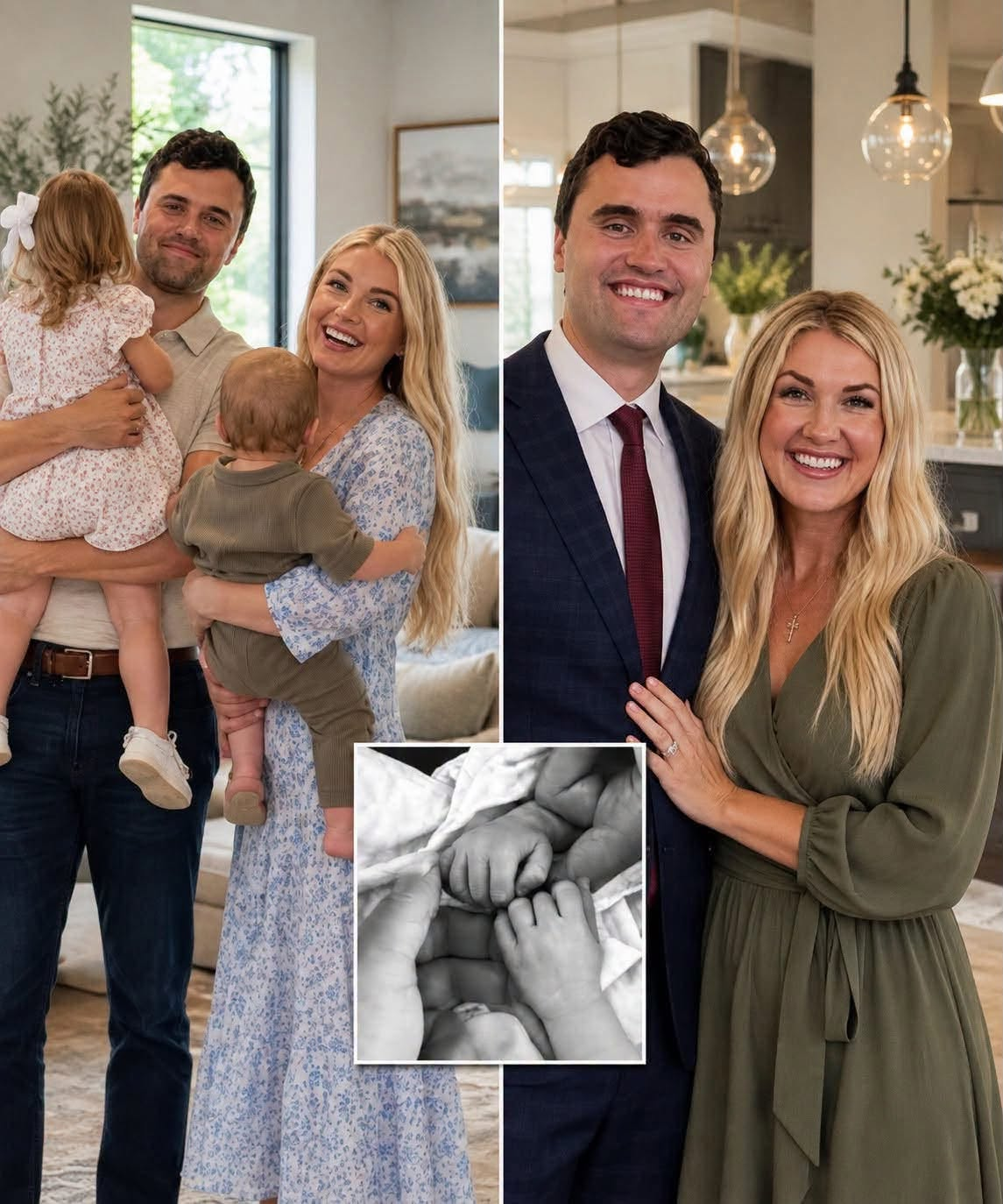
Heartbreaking Update: In Utah, Charlie Kirk’s wife was confirmed as…See more
In the days that followed, grief settled over the campus like a low, unshakable fog. Flowers piled against brick walls; candles burned down to stubs in trembling hands. Students walked in clusters now, speaking in hushed voices, flinching at every sudden noise. Parents called more often. Security lines grew longer. The podium where Charlie Kirk once stood became less a symbol of debate and more a reminder of how fragile a life — and a moment — can be.
-
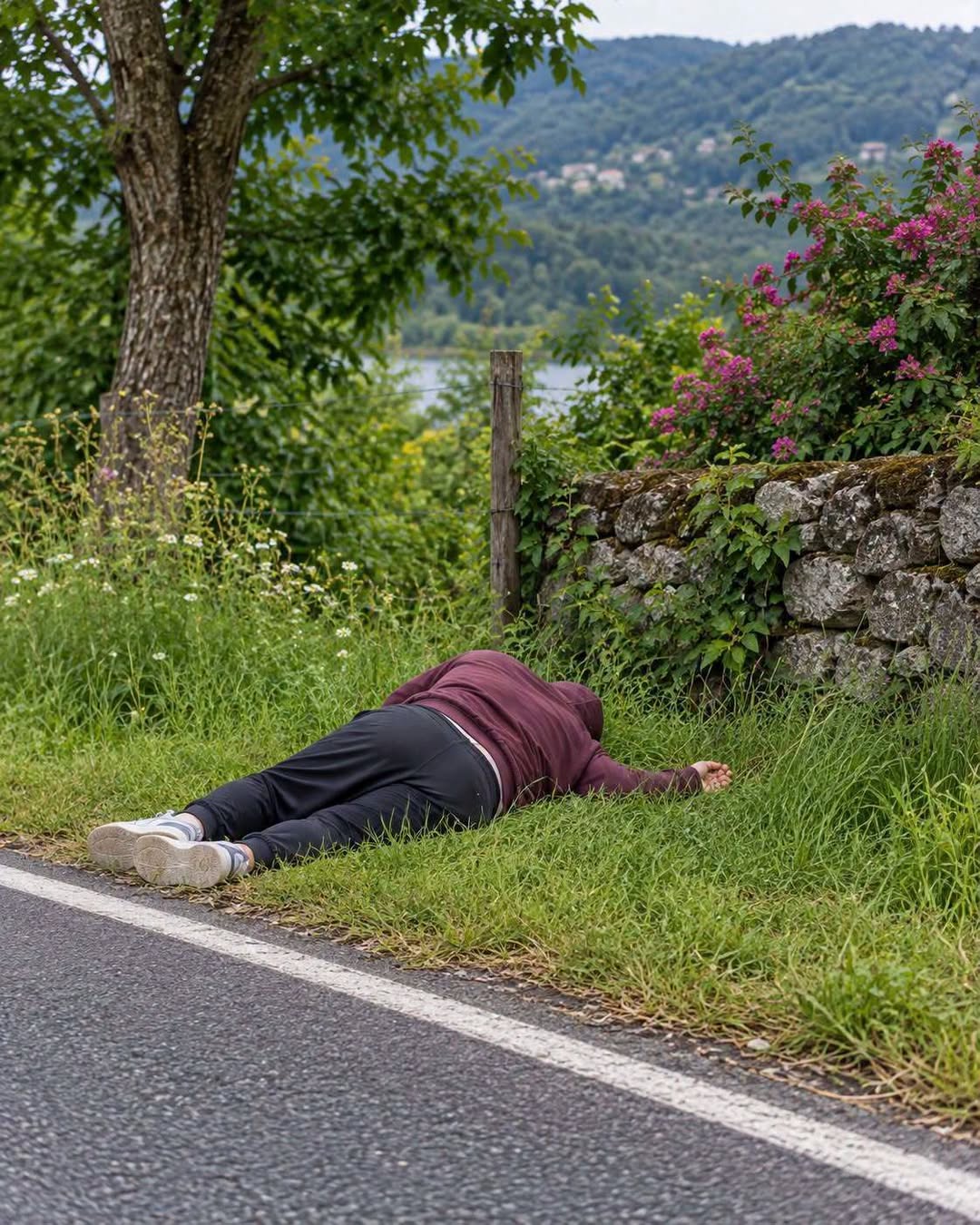
A Community in Mourning: Remembering Her, Seekin
People gathered at her doorstep long after the sirens stopped screaming.
The air smelled like fear, flowers, and something no one wanted to name.
Strangers wept as if they’d known her forever. Neighbors clung to each other, ashamed they were meeting like this, asking the same raw question: Why her?
They kept coming—days, then weeks after the funeral—drawn not to the crime, but to the echo of the life it stole.
Her name moved from hushed doorways to city council meetings, from handwritten notes on posterboard to official agendas and policy drafts.
What began as a single doorstep vigil became a map of quiet transformations: a hospital entrance softened by candlelight, a coffee shop turned sanctuary, a neighborhood group chat evolving into a rapid-response network for anyone walking home alone.
Her family never stopped breaking a little each day, but they watched something unexpected rise from the fracture. Young nurses applied for the scholarship that bore her name.
Children learned to plant sunflowers in a corner lot once known for sirens. Men who had never cried in public now spoke openly about fear and responsibility.
They could not rewrite that night, but they could insist, again and again, that her story would be measured not only by how she died, but by how fiercely they chose to live in her name.