Category: Uncategorized

  • BREAKING NEWS : Serious INCIDENT between bus and… See more

    BREAKING NEWS : Serious INCIDENT between bus and… See more

    Long before the tow trucks arrive and the glass is swept from the asphalt, the real weight of a crash like this settles on everyone who stands and stares, realizing how thin the line is between an ordinary drive and disaster. Investigators will measure skid marks, interview shaken witnesses, and search for a single moment—a distraction, a failure, a wrong decision—that turned a routine trip into a catastrophe.

    Yet beyond the diagrams and reports, there are quieter truths. A bus driver who will never see the road the same way again. Families waiting in hospital corridors. Neighbors who now slow down on that same rural curve, remembering the crushed sedan under the towering bus. Out of twisted metal and sirens comes a fragile resolve: maintain the machines, respect the speed, leave more space, look twice. Because on highways like these, every small act of caution can be the one that keeps a story from ending in wreckage.

  • This image knows your personality—what did you see first?

    🦁 The Psychology of “What You See First” Images: A 2000-Word Exploration

    Introduction

    Art and psychology often intersect in fascinating ways. One of the most popular examples is the genre of optical illusion personality tests, where a single image contains multiple hidden figures, and the first thing you notice is said to reveal something about your inner self. The image you provided — a sculptural face composed of animals like lions, birds, fish, and snakes — is a striking example. It invites viewers to reflect on their subconscious priorities, flaws, and tendencies.

    This article will explore the history, psychology, symbolism, and cultural impact of such images, while also analyzing the specific animals in this artwork and what they might represent

    🖼️ The Origins of Projective Personality Tests

    • Rorschach inkblots: In the early 20th century, Hermann Rorschach developed inkblot tests to analyze unconscious thought patterns.
    • Ambiguous stimuli: The principle is that when faced with unclear images, people project their own emotions and traits onto them.
    • Modern adaptations: Today, viral social media tests use animals, faces, or objects hidden in art to spark curiosity and self-reflection.

    🧠 The Psychology of First Impressions

    Why does the first animal you see matter?

    • Selective attention: Your brain filters overwhelming visual data, prioritizing what feels most relevant.
    • Emotional state: Anxiety, optimism, or fatigue can influence what stands out.
    • Personality traits: Some psychologists argue that consistent choices across tests reveal stable traits, like introversion or dominance.

    🐾 Symbolism of Animals in Personality Tests

    Each animal in the sculpture carries symbolic weight. Let’s break them down:

    🦁 Lion

    • Traits: Courage, leadership, dominance.
    • Flaw revealed: Pride or arrogance. Seeing the lion first may suggest overconfidence or a tendency to control others.

    🐍 Snake

    • Traits: Transformation, cunning, adaptability.
    • Flaw revealed: Manipulation or hidden resentment. Spotting the snake first may indicate suspicion or difficulty trusting.

    🐦 Birds

    • Traits: Freedom, communication, spirituality.
    • Flaw revealed: Restlessness or avoidance. Seeing birds first may suggest difficulty staying grounded or committing.

    🐟 Fish

    • Traits: Intuition, flow, adaptability.
    • Flaw revealed: Escapism. Fish-first viewers may struggle with confronting problems directly.

    🦁🐾 Lion cubs

    • Traits: Innocence, potential, vulnerability.
    • Flaw revealed: Naivety or dependence. Spotting cubs first may suggest immaturity or fear of responsibility.

    🎨 The Artistic Dimension

    This sculpture is more than psychology — it’s art.

    • Composite imagery: The blending of animals into a human face reflects the idea that humans embody multiple instincts.
    • Lighting and texture: Shadows emphasize different animals depending on where you focus, reinforcing the illusion.
    • Interactive art: Unlike static paintings, this piece demands active participation from the viewer.
    • 🌍 Cultural Interpretations

      Different cultures interpret animals differently:

      • Western traditions: Lions symbolize bravery; snakes often represent deceit.
      • Eastern traditions: In Hinduism, snakes (Nāgas) symbolize protection and wisdom; fish symbolize fertility and abundance.
      • Indigenous traditions: Birds often represent messengers between worlds.

      Thus, the same image may reveal different “flaws” depending on cultural background.

      📱 The Rise of Viral Personality Tests

      • Social media appeal: Quick, shareable, and fun.
      • Community engagement: People compare results, sparking conversations.
      • Gamification of psychology: Turning introspection into entertainment.

      🧩 Criticisms and Limitations

      • Not scientific: These tests lack empirical validation.
      • Mood-dependent: What you see today may differ tomorrow.
      • Confirmation bias: People interpret results to fit their self-image.

      Yet, their popularity shows a deep human desire for self-understanding.

      🔍 Deep Dive: Worst Flaws Revealed

      The text on the image says: “The first animal you see will reveal your worst flaw.” Let’s analyze:

      • Lion first → Flaw: Pride, dominance.
      • Snake first → Flaw: Distrust, manipulation.
      • Bird first → Flaw: Flightiness, lack of focus.
      • Fish first → Flaw: Escapism, avoidance.
      • Cubs first → Flaw: Immaturity, dependence.

      This framework encourages viewers to confront uncomfortable truths rather than flattering traits.

      🧭 Why We’re Drawn to Flaws

      • Self-improvement: Identifying flaws is the first step toward growth.
      • Curiosity: People enjoy discovering hidden aspects of themselves.
      • Social bonding: Sharing flaws makes conversations more authentic.

      📖 Case Studies

      • Example 1: A leader who sees the lion first may recognize their tendency to dominate meetings.
      • Example 2: An artist who sees fish first may realize they avoid practical responsibilities.
      • Example 3: A student who sees cubs first may confront their reliance on mentors.

      🧩 Integrating Psychology and Art

      This sculpture exemplifies how art can function as a psychological mirror. It blends:

      • Visual ambiguity → triggers projection.
      • Animal symbolism → provides interpretive depth.
      • Human face structure → reminds us flaws are part of identity.

      🌟 Conclusion

      The image you shared is more than a curiosity — it’s a fusion of art, psychology, and symbolism. Whether you see a lion, snake, bird, fish, or cubs first, the interpretation invites reflection on your flaws. While not scientific, these tests spark meaningful conversations about self-awareness and growth.

      Ultimately, the lesson is clear: our flaws are part of our humanity, and recognizing them is the first step toward balance.

  • The way I did NOT know this was a thing

    The LGBTQ+ community continues to expand with new labels that help people better understand and express their identities. One term that’s drawing attention, particularly among neurodivergent individuals, is nebulasexual – an identity that acknowledges the complicated intersection between attraction and neurological differences.

    Sexuality through neurodivergent lens

    As awareness of neurodiversity grows, more people are discovering that traditional orientation labels don’t always capture their lived reality. For some, neurological differences, including ADHD, autism, or intrusive thought patterns (OCD), make it difficult to distinguish between types of attraction – sexual, aesthetic, or emotional.

  • A New Parents’ Story Offers an Important Reminder About Family, Care, and Baby Safety

    Parenting is filled with everyday moments, and many of those moments provide opportunities to create a safer environment for young children. Babies and toddlers are naturally curious. They explore their surroundings by touching, grabbing, and sometimes putting objects in their mouths. Because of this, parents and caregivers can benefit from regularly looking at the home from a young child’s perspective.

    One simple habit is keeping small household objects out of reach. Coins, loose toy parts, buttons, small decorations, and other tiny items can be difficult for young children to recognize as unsuitable for play. Parents can regularly check floors, low tables, shelves, bags, and other accessible areas to make sure small objects are stored safely.

    Household products and medications should also be stored securely and kept away from areas children can access. Cleaning supplies, personal-care products, batteries, and similar household items are best kept in appropriate storage areas. Following the manufacturer’s storage instructions and using child-resistant packaging when available can provide an additional layer of protection.

    Parents do not need to create a completely perfect home to improve everyday safety. Instead, regular checks can make a meaningful difference. Getting down to a child’s eye level can sometimes reveal things that are easy for an adult to overlook. Looking underneath furniture, checking accessible drawers, and examining low shelves can help identify areas that may need attention.

    Supervision is another important part of a safe environment, but no caregiver can realistically watch a child every second. Adults may need to prepare a meal, answer a phone call, complete a household task, or take a short break. Physical safety measures can therefore work alongside supervision. Safety gates, secure storage, appropriate furniture arrangements, covered electrical outlets, and age-appropriate toys can help create additional protection.

    Caregiver wellbeing also matters. Looking after young children can be demanding, particularly when daily responsibilities leave adults feeling tired. When possible, parents can accept practical help from trusted  family members or friends. Taking reasonable opportunities to rest can help caregivers remain patient, attentive, and prepared for the normal challenges of parenting

    Learning basic first-aid and child-safety information can also be useful. Parents can speak with a pediatrician or consult established child-safety organizations for guidance that matches their child’s age and developmental stage. Reliable information can help  families make practical decisions without relying on frightening stories or unverified advice found online.

    It is also important to remember that household safety is not a test of whether someone is a good parent. Even attentive families can overlook an object or situation from time to time. The purpose of safety planning is not to create anxiety or demand perfection. It is simply to reduce avoidable risks through sensible preparation

    Small habits can become part of a family’s normal routine. Parents can check play areas, secure household products, put away small objects, and review safety arrangements as their child becomes more mobile and curious. As children grow, the potential hazards around them can change, so occasional safety checks remain useful.

    Ultimately, creating a safer home is about preparation rather than fear. A few minutes spent checking accessible areas and storing household items appropriately can help parents feel more confident about their child’s environment. With consistent routines, suitable safety measures, reliable information, and support when needed, families can create a comfortable space where children can safely learn, explore, and grow.

  • My Son Was Bullied Throughout School — They Didn’t Even Invite Him To The 10-Year Reunion

    Watching my son grow up was never easy. While other children formed friendships and made happy memories, he spent most of his school years feeling invisible. He was teased, left out of group activities, and rarely invited anywhere. I watched him come home pretending everything was fine, even though I could see the disappointment in his eyes. After graduation, he quietly moved on with his life, determined to leave those painful memories behind.

    Ten years later, he learned that his graduating class had organized a reunion. Every former classmate had received an invitation except him. When he discovered he had been intentionally left off the guest list, he simply smiled and said, “I’m going anyway.” I worried he would only be hurt all over again, but he assured me he wasn’t looking for an apology or anyone’s approval.

    When he arrived at the reunion, the room fell silent. Many of the people who had once ignored him barely recognized the confident, successful man standing before them. Instead of confronting anyone or bringing up the past, he walked to the front of the room after being offered the microphone and thanked everyone for teaching him one of life’s greatest lessons—that his worth would never be determined by the opinions of people who refused to see it.

    He went on to announce that he had recently launched a scholarship program for students who had experienced bullying and social isolation. The first donations had already funded counseling services, educational support, and mentoring opportunities for dozens of young people. He explained that every painful experience had inspired him to ensure no child would ever feel as alone as he once had.

    As he finished speaking, the room erupted in applause. Many former classmates approached him to apologize, while others admitted they had never realized how deeply their actions had affected him. He left the reunion without anger or resentment, proving that true success isn’t about getting even—it’s about turning your greatest struggles into something that changes other people’s lives for the better.

  • She Died at 71—Her Cancer Diagnosis Came Suddenly, and Her Final Days Left Fans Heartbroken… Full Story Below 👇

    Actress Kirstie Alley passed away after a short battle with cancer, her family announced on Monday, Dec. 5. She was 71.

    “She fought with great strength, leaving us with a certainty of her never-ending joy of living and whatever adventures lie ahead,” said the statement on social media.

    Her family, including her children, True and Lillie Parker, thanked doctors and nurses at the Tampa, Florida-based Moffitt Cancer Center.

    Alley’s aggressive cancer was only recently diagnosed, according to the statement.

    Alley was best known as Rebecca Howe in the TV sitcom Cheers.

    Tributes are pouring in for Alley on social media. Actor John Travolta was among the first to pay tribute to her. They are pictured together at a Hollywood movie premiere in 2019.


    Travolta and Alley starred as love interests in the 1989 comedy, “Look Who’s Talking” and the film’s sequel.

    Actor, comedian Tim Allen remembered Alley in a tweet on Monday. “A sweet soul pass on in Kristie Alley. Sad, sad news. Prayers for all her family,” he wrote.

    Allen starred alongside Alley in the 1997 comedy, “For Richer or Poorer.”

    Actress Jamie Lynn Curtis described Alley as a “great comic foil in @tvscreamqueens and a beautiful mama bear in her very real life.”

    Curtis said Alley helped her choose Christmas gifts for her family.


    Alley was married to her high school sweetheart, Bob Alley, from 1970 to 1977. Coincidentally, he had the same last name as hers.

    Following a miscarriage, Alley and second husband Parker Stevenson adopted week-old son William True Stevenson in 1992 and daughter Lillie in 1995. Alley and Parker divorced in 1997.

    Alley became a grandmother in 2016 after her son William welcomed a son of his own

  • Kim Kardashian seemingly unveiled the nickname that she has given her boyfriend

    Kim Kardashian seemingly unveiled the nickname that she has given her boyfriend

    Kim Kardashian seemingly unveiled the nickname that she has given her boyfriend Lewis Hamilton amid their romance👀

    The 45-year-old TV personality, who recently planted a kiss on the F1 racer’s cheek in a sweet snap, made the comment on a shopping trip to Target with sister Khloe Kardashian in an Instagram clip shared to her main page on Tuesday.

    The siblings were filmed walking down one of the aisles while searching for a specific item.

    ‘I don’t think they do,’ Kardashian observed as she held a mini microphone in one of her hands. ‘Oh, they do!’

    While pointing towards a bottle of Almave, the SKIMS founder asked, ‘Do you know who makes that?’

    ‘Bridgerton?’ Khloe then asked, which prompted Kardashian to reply with, ‘Yes,’ followed by a smile.

    Almave is a non-alcoholic blue agave spirit which was co-founded by Hamilton and launched back in 2023.

    After the siblings shared a lighthearted laugh, the mom-of-four pulled one of the bottles off the shelf

    Interesting For You

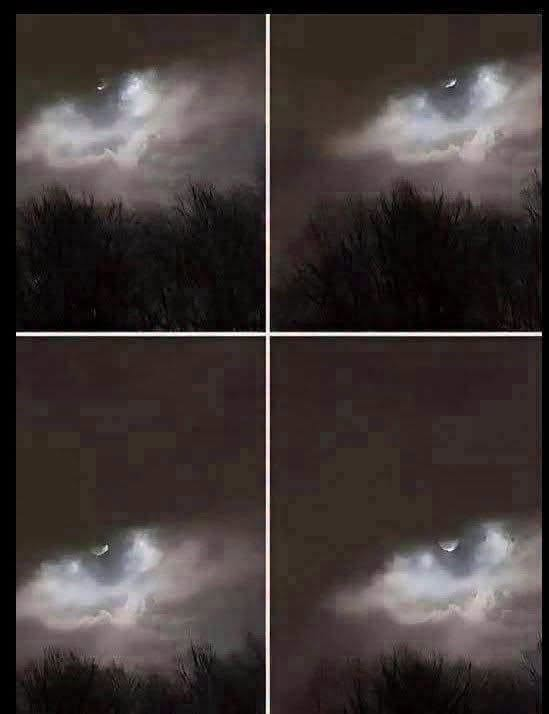
  • My Brother Took This Photo Just 21 km from O

    My Brother Took This Photo Just 21 km from O

    A cloud appeared over an ordinary town—and suddenly, nothing felt ordinary.
    The photo, taken just 21 kilometers from quiet homes, ignited arguments, awe, and suspicion.
    Was it a sign? A hidden craft? A message in the sky?
    What turned a passing cloud into a global talking point wasn’t the atmosphere alone; it was us.
    Our brains are built to hunt for patterns, to turn random shapes into faces, figures, and symbols.
    That tendency—pareidolia—can transform a harmless cloud into an omen, an apparition, or a mystery that refuses to sit quietly inside a scientific explanation.

    Yet understanding the science doesn’t cancel the magic. Lenticular, mammatus, and wave clouds form through familiar processes of wind, moisture, and light, but the experience of seeing them is deeply personal.
    A single photograph can expose how fragile perception is, how quickly imagination fills in gaps that data leaves open.
    In the end, this sky isn’t proof of the unknown or a hoax to be debunked; it’s a reminder. Nature creates the canvas, physics shapes the scene, but meaning—that storm always starts inside us.

  • These are the consequences of sleeping with

    Sleeping with the wrong person can lead to emotional turmoil that lingers long after the physical encounter is over. When intimacy is shared with someone who doesn’t value or respect you, it can leave you feeling empty,

    egretful, or even used.

    Emotions become tangled, and what was meant to be a fleeting moment of pleasure can turn into weeks or months of self-doubt and heartache. Many people struggle to separate physical intimacy from emotional attachment, making it difficult to move on without unresolved feelings.

    Beyond emotional distress, there are also social and relational consequences. If the encounter was with someone already in a relationship, it could lead to broken trust,

    damaged friendships, or even public drama. Rumors and judgments from others may follow, affecting your reputation and mental well-being. Even if the relationship was casual, mismatched expectations can create tension—one person may want commitment while the other sees it as nothing more than a one-night stand, leading to conflict and hurt feelings.

    Another major consequence is the risk to physical health. Engaging in sexual activity without proper precautions can result in sexually transmitted infections (STIs) or unplanned pregnancies. Even if protection is used, nothing is 100% foolproof, and dealing with the aftermath of a health scare or an unexpected pregnancy can be life-altering. The stress and responsibility that follow such situations can weigh heavily on both parties, especially if there is no mutual support or understanding. Read more below

  • Jennifer Lopez’s son is already start… See more

    Jennifer Lopez’s son is already start… See more

    The moment no one expected is here. While Jennifer Lopez dominates stages and headlines, her son is quietly rewriting what it means to grow up in a famous family. No reality show. No flashy branding. Just a slow, deliberate step into his own life — one that’s making Hollywood uncomfor… Continues…