Category: Uncategorized

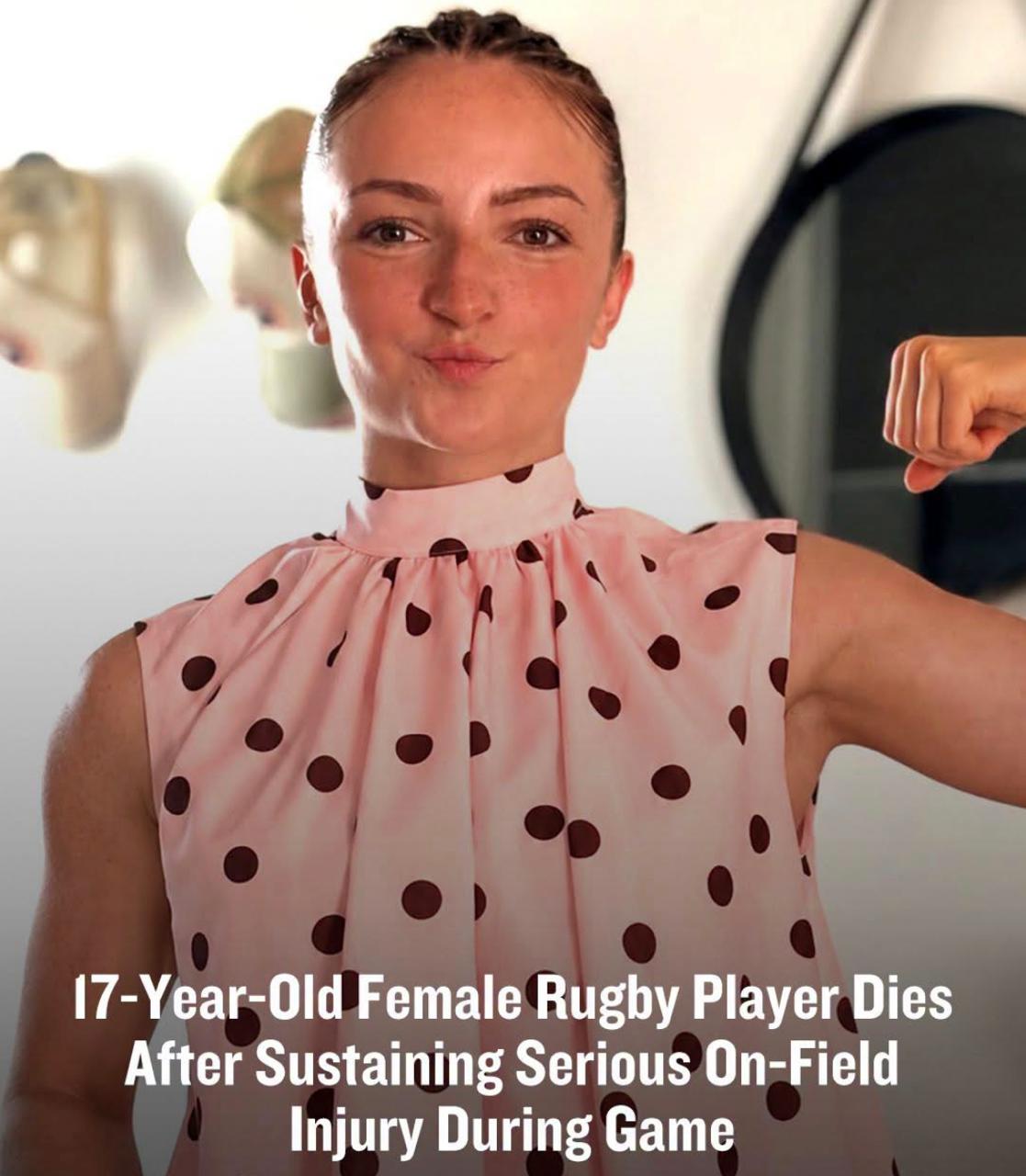
  • A 17-year-old rugby player in France has died after sustaining an injury during a game. Click the link in the first comment for the full story ⬇️

    A 17-year-old rugby player in France has died after sustaining an injury during a game. Click the link in the first comment for the full story ⬇️

    17-Year-Old Female Rugby Player Dies After Sustaining Serious On-Field Injury During Game

    Cléa Menier was playing for Union du Bassin Marmandais in France on Saturday, Oct, 17, when the incident happened

    • Cléa Menier, a 17-year-old rugby player in France, died after sustaining a serious injury during a game on Saturday, Oct. 17
    • The teenager, who played for Union du Bassin Marmandais, was treated by first responders before being taken to the hospital, where she died
    • Rugby teams across France will observe a minute of applause during the weekend’s games, while players are set to honor Menier with black armbands
    • A 17-year-old rugby player in France has died after sustaining an injury during a game.

      Cléa Menier, a back-row player for Union du Bassin Marmandais, based in Marmande, about 350 miles southwest of Paris, was involved in an “accident” during a game against Agen Agglo Rugby on Saturday, Oct. 17, her team shared in a statment on Wednesday, Oct. 21.

      According to local newspaper  the teenager sustained a serious head injury during a tackle and suffered a cardiopulmonary arrest (also known as a sudden cardiac arrest as per the Mayo Clinic) on the field.

    • The teenage athlete was treated by medical staff and first responders before being transported to the ER and then the intensive care unit at the Pellegrin Hospital in nearby Bordeaux, where she died, her team said.

    • “Today, the entire Union du Bassin Marmandais family is in shock and plunged into deep sorrow,” the team wrote in a statement translated from French. They also sent their condolences to her parents, her brother and her sister, who plays in the team’s youth division.

      “We also think of her loved ones and friends, whose immense pain we share; her teammates, her coaches, and everyone who had the good fortune to know her and share a passion for rugby with her,” the statement continued.

    • The French Rugby Federation (FFR) said it felt “immense sadness and deep emotion” in a statement following Cléa’s death. “This loss has shaken the entire rugby community,” it continued in the translation.

      The FFR added that a psychological support unit had been set up for those who might need support following Cléa’s dea

    • Florian Grill, the federation’s president, wrote on facebook on Friday, Oct. 23, that he had asked the “entire French rugby community” to pay tribute to the teenager over the upcoming weekend.

      “In agreement with Cléa’s family, a minute of applause will be observed on all French rugby fields, both amateur and professional,” he wrote, translated from French. “Our France XV players will also wear a black armband during their match against New Zealand.”

      “These gestures will not make the pain disappear, but they will demonstrate the immense solidarity of our rugby family,” he added.

    • Grill also confirmed that steps would be taken to understand and “draw all the lessons from” the circumstances around Cléa’s injury, and that changes would be made to reduce the risk of a similar accident happening in the future, if necessary.

      “But today, time is above all for reflection,” he finished. “All of French rugby is in mourning. And the entire rugby family is by their side.”

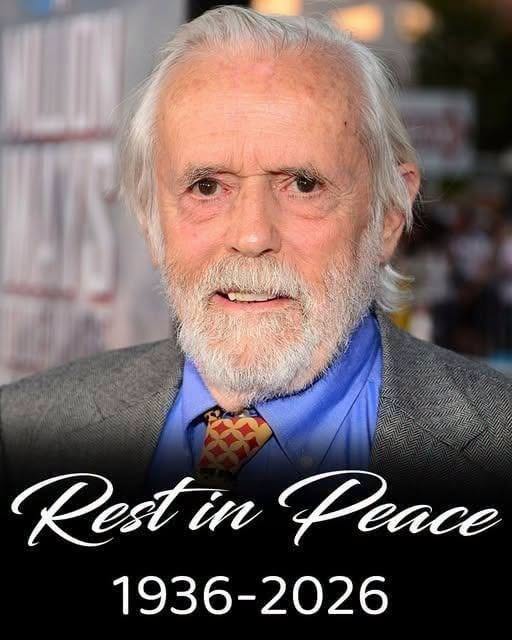
  • Back to the Future actor died at 89. RIP!… See more

    Back to the Future actor died at 89. RIP!… See more

    Matt Clark, Beloved ‘Back to the Future’ and Western Film Actor, Remembered at 89

    The entertainment world is remembering veteran actor Matt Clark, whose decades-long career left a lasting mark on film and television. Known for his steady presence and memorable performances, Clark appeared in more than 120 productions throughout his life. His passing at the age of 89 has prompted tributes from fans and colleagues who admired his dedication to the craft of acting

    Unlike many Hollywood stars who built careers around fame and publicity, Clark earned respect through consistency and professionalism. He became known as a dependable character actor who could bring authenticity to every role, regardless of screen time. His performances often added depth and realism to the stories he helped tell.

    Clark appeared in a wide range of projects across several decades. Many moviegoers remember his work in classic Western films , including *The Outlaw Josey Wales* and *Pat Garrett and Billy the Kid*. His ability to portray strong yet compassionate characters made him a natural fit for stories set against the rugged landscapes of the American West


    Friends and colleagues often described Clark as someone who valued loyalty, hard work, and meaningful relationships. He was known for maintaining lifelong friendships and approaching both his personal and professional life with integrity. Those who worked alongside him frequently praised his kindness, reliability, and willingness to support others.

    For his family, Clark was more than a respected actor. He was a devoted loved one whose strength, wisdom, and affection shaped the lives of those closest to him. While audiences knew him through his performances, family members knew him as a man who remained grounded despite a successful career in the entertainment industry

    Matt Clark’s legacy extends far beyond any single role. Through decades of memorable performances, he helped bring countless stories to life and earned a place in the history of American film and television. His work continues to be appreciated by generations of viewers, ensuring that his contributions will not be forgotten


  • Minka Kelly’s Emotional Journey: From a Difficult Childhood to Hollywood Success and a New Chapter in Her Life

    Minka Kelly’s Emotional Journey: From a Difficult Childhood to Hollywood Success and a New Chapter in Her Life

    Minka Kelly’s Emotional Journey: From a Difficult Childhood to Hollywood Success and a New Chapter in Her Life

    HOLLYWOOD, October 15, 2026 – Minka Kelly has spent years building a career in television and film, but behind her familiar screen presence is a deeply personal story of family struggles, resilience, and the search for a life shaped by more than her past.


    The actress, best known for Friday Night Lights, Euphoria, and Netflix’s Ransom Canyon, has recently attracted renewed attention following reports that she and Imagine Dragons frontman Dan Reynolds have ended their relationship after nearly four years together. The news comes after a period in which Kelly had spoken warmly about Reynolds and their connection, making the reported separation a significant new chapter in her personal story. Yet Kelly’s life cannot be understood through relationship headlines alone. Her journey began with a challenging childhood, developed through years of determination in the entertainment industry, and eventually led her to share some of her most painful experiences in a bestselling memoir. Minka Dumont Kelly was born in Los Angeles on June 24, 1980. She was raised primarily by her mother, Maureen Kelly, and spent parts of her childhood moving between different communities, including time in Albuquerque, New Mexico. Her mother’s life was complicated by financial instability, difficult relationships, and personal struggles. Kelly has described growing up without the stable family environment many children take for granted. Her father, Rick Dufay, a former guitarist for the rock band Aerosmith, was largely absent during her early years.

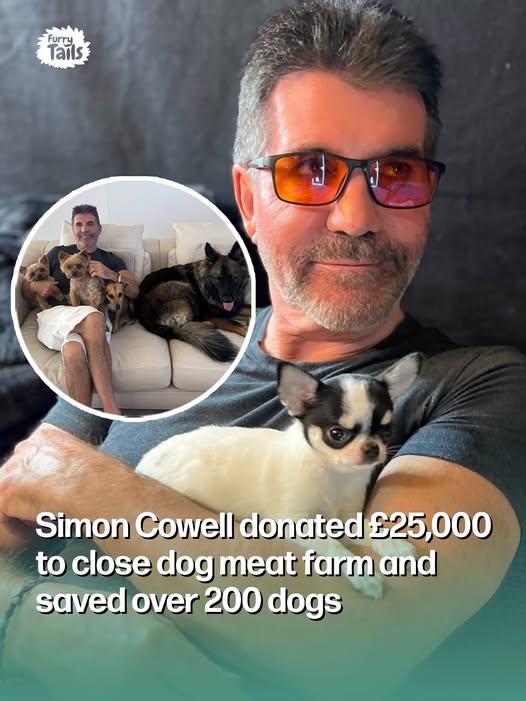
  • In 2018, Simon Cowell donated £25,000 to an animal protection charity to help close a dog meat farm in South Korea. According to Humane Society International via Sky News, the Britain’s Got Talent judge’s contribution meant that over 200 dogs and puppies who were bred for human consumption would be saved.

    In 2018, Simon Cowell donated £25,000 to an animal protection charity to help close a dog meat farm in South Korea. According to Humane Society International via Sky News, the Britain’s Got Talent judge’s contribution meant that over 200 dogs and puppies who were bred for human consumption would be saved.

    In 2018, Simon Cowell donated £25,000 to an animal protection charity to help close a dog meat farm in South Korea.

    Simon Cowell’s $30,000 Act of Kindness Helped Save More Than 200 Dogs — A Powerful Reminder That Every Animal Deserves Love

    Sometimes, the most meaningful acts of kindness happen far away from the spotlight.

    For millions of television viewers, Simon Cowell is the sharp-tongued judge who became famous for his brutally honest opinions on talent shows. His comments have made contestants nervous, his reactions have created unforgettable television moments, and his name has become synonymous with the entertainment industry.

    But away from the judging panel, there is another side to Cowell that animal lovers may find especially moving.


    In September 2018, Cowell donated £25,000 to Humane Society International to help shut down a dog meat farm in South Korea and support the rescue of more than 200 dogs and puppies. The contribution helped fund an effort to bring vulnerable animals out of cruel conditions and give them a chance at a safer future.

    The story is a reminder that celebrity influence can be used for something far more meaningful than fame: protecting those who cannot speak for themselves.

    A Donation That Helped Give Vulnerable Dogs a Second Chance

    According to Humane Society International, the dogs at the farm were being kept in small, barren metal cages. They faced a future in which they would be killed for human consumption.

    For these animals, the situation was frighteningly simple. They had no control over where they lived, what happened to them, or whether they would ever experience the comfort of a loving home.

    Their lives depended on people willing to intervene.

    Cowell’s donation supported the charity’s campaign to close the facility and rescue more than 200 dogs and puppies. The organization was working to remove animals from the farm and arrange care, with the hope that many could eventually find loving homes.

    It was not merely a contribution to an organization. It was support for a rescue effort that could change the futures of hundreds of vulnerable animals.

    And that is what makes this story worth remembering.

    Why Simon Cowell Spoke Out for Animals


    Cowell has publicly supported animal welfare campaigns, particularly those concerning the treatment of dogs.

    His concern was personal. He has spoken about the happiness dogs bring into people’s lives and the distress caused by seeing them mistreated.

    In connection with the 2018 rescue campaign, he expressed his opposition to the dog meat trade and supported efforts to bring dogs to safety.

    His involvement also helped attract public attention to a difficult issue that many people might otherwise never encounter.

    When a well-known public figure speaks about animal welfare, the conversation can reach millions of people. Some may become interested in rescue organizations. Others may begin reconsidering how animals are treated or decide to support local shelters.

    That influence matters because animal protection work often depends on public awareness, donations, volunteers, and long-term community support.


    The Reality Behind the Rescue

    Behind every animal rescue headline are individual lives.

    Imagine a dog that has spent most of its existence confined in a cage, without a comfortable place to sleep or the freedom to explore its surroundings.

    Imagine a puppy that has never experienced the security of a home, the excitement of a walk, or the simple pleasure of playing with a caring human.

    For an animal in such circumstances, the world can be a frightening place.

    Dogs are social animals. They can form strong bonds with people, respond to familiar voices, and develop trust through consistent, gentle care. When they are deprived of appropriate space, companionship, and veterinary attention, their physical and emotional well-being can suffer.

    Rescue, however, is only the beginning.

    Animals removed from harmful conditions may require veterinary examinations, nutritious food, vaccinations, behavioral support, and time to adjust to unfamiliar surroundings. Some need weeks or months before they are comfortable around people.

    That is why the work of animal welfare organizations continues long after a rescue makes the news.

    The ultimate goal is not simply to remove animals from danger. It is to help them recover and provide opportunities for safe, permanent homes.

    The Power of Celebrity Influence

    Celebrity donations often attract attention because people recognize the names involved. But the deeper value of a donation lies in what it helps accomplish.

    Cowell’s support for the 2018 campaign brought additional visibility to the work of Humane Society International and its efforts to rescue dogs from the meat trade.

    His involvement also demonstrated how people with substantial resources can help organizations address problems that would be difficult to solve without financial support.

    Rescue groups need money to transport animals, provide medical care, maintain shelters, and coordinate adoption programs. Even a successful rescue operation can face serious financial challenges.

    A significant contribution can help move a campaign forward. Publicity can encourage others to contribute, too.


    That does not mean every celebrity donation solves an entire problem. Ending animal cruelty requires sustained work, effective laws, cooperation with local communities, and changes in public attitudes.

    But individual acts of generosity can help create momentum.

    Sometimes, one person’s decision to help encourages hundreds of others to ask a simple question: What can I do?

    Animal Protection Is About More Than Dogs

    Although this particular story focused on dogs, animal welfare extends far beyond one species.

    Every day, rescue organizations work to protect abandoned pets, injured wildlife, neglected farm animals, and creatures affected by habitat loss or human activity.

    Some organizations provide emergency medical care. Others operate shelters, investigate cruelty, support adoption, or educate communities about responsible animal care.

    Their work can be emotionally demanding and financially difficult.

    Many depend on volunteers who spend their free time cleaning enclosures, feeding animals, arranging veterinary appointments, and helping frightened pets learn to trust people again.

    These people rarely receive the attention that famous personalities do.

    Yet their contribution is equally important.

    A celebrity may help fund a rescue operation, but the everyday work of caregivers, veterinarians, foster families, and adoption coordinators helps turn that financial support into lasting change.

    It takes a community to protect animals.

    What Ordinary People Can Learn From This Story

    One of the most encouraging lessons from Cowell’s donation is that helping animals does not always require extraordinary wealth.

    Most people will never be in a position to donate thousands of pounds to an international charity. Fortunately, compassion can take many forms.

    A person might donate a small amount to a verified animal shelter. Someone else might volunteer at a local rescue center. A family could adopt a suitable animal rather than purchase one, provided they are prepared for the responsibility.

    Others can help by sharing adoption notices, arranging veterinary care for an animal in need, or supporting responsible sterilization programs.


    Even basic actions matter.

    Keeping pets properly fed, providing clean water, arranging appropriate medical treatment, and never abandoning an animal are essential parts of responsible care.

    If you encounter an injured or neglected animal, contacting a reputable rescue organization or local animal welfare authority may be safer and more effective than attempting a risky rescue alone.

    People should also research charities before donating, checking their official websites, financial transparency, and established track records.

    The objective is to make kindness practical, responsible, and sustainable.

    Why Stories Like This Still Matter

    In a world filled with celebrity headlines, arguments, scandals, and controversy, stories about compassion offer a different perspective.

    They remind us that public figures are capable of using their platforms to support causes that extend beyond entertainment.

    They also remind us that animals are not objects to be discarded when they become inconvenient. They are living beings whose welfare depends heavily on the choices humans make.

    The rescue campaign supported by Cowell in 2018 did not end every instance of animal suffering. Nor could one donation eliminate the larger challenges surrounding animal protection.

    But helping vulnerable dogs escape dangerous conditions was a meaningful step.

    For the animals involved, the possibility of a new life mattered more than the fame of the person who helped fund their rescue.

    A warm bed, a veterinary examination, a safe environment, and a patient human companion can transform an animal’s daily existence.

    Those changes may never make

    precisely the outcomes animal welfare work strives to achieve.

    The Real Meaning of Kindness

    Simon Cowell built his career in an industry where attention is valuable and every performance is judged. His support for animal protection offered a different kind of story: one centered not on winning a competition, but on helping vulnerable lives.

    His £25,000 donation to Humane Society International in 2018 helped support an effort to close a South Korean dog meat farm and rescue more than 200 dogs and puppies.

    The contribution is a documented example of how financial support and public influence can assist animal welfare efforts.

    But perhaps the most important part of the story is what it asks of the rest of us.

    We do not need to be famous to defend animals. We do not need millions of followers to spread awareness. And we do not need a fortune to make a difference in the life of a frightened or abandoned creature.

    We simply need to recognize that compassion is a responsibility, not just a feeling.

    Every rescued animal represents the possibility of a better future. Every responsible adoption creates an opportunity for a new beginning. Every act of kindness helps build a world in which vulnerable creatures receive more protection and less suffering.

    And perhaps that is the most powerful lesson of all: the measure of a meaningful act is not the fame of the person who performs it, but the lives it helps change.

    What do you think?

    Should more celebrities use their wealth and influence to support animal rescue organizations and protect vulnerable animals?

    Share your thoughts in the comments, and consider supporting a reputable local animal shelter in whatever way you can.

    Sometimes, the smallest act of kindness becomes the beginning of a much bigger change.

    Fact-checking note: This article refers to Simon Cowell’s documented 2018 donation of £25,000 to Humane Society International. It does not claim that a new donation was made in 2026.

    #SimonCowell #AnimalRescue #AnimalWelfare #SaveTheDogs #CelebrityKindness #AdoptDontSho
  • With heavy hearts, we mourn the loss of the legendary Hollywood actor who gave us some of the most wonderful and unforgettable memories 💔🌹 Link in comments

    With heavy hearts, we mourn the loss of the legendary Hollywood actor who gave us some of the most wonderful and unforgettable memories 💔🌹 Link in comments

    Michael Gray, star of ‘Shazam!,’ dies at 75

    For millions of kids growing up in the 1970s, all it took was one word to turn an ordinary teenager into a superhero

    Shazam!”

    Michael Gray, the actor who became a Saturday-morning TV favorite as Billy Batson on Shazam!, died October 16 in Palm Desert, California. He was 75.

    His family said Gray died of natural causes.

    ”I mumbled to much…”

    Long before superheroes dominated movie theaters, Gray helped bring one into American living rooms every weekend. From 1974 to 1976, he starred as Billy Batson, the teenager who could transform into the mighty Captain Marvel simply by uttering that famous word.

    But Gray’s story went well beyond the red-and-yellow superhero suit — and at the height of his fame, being one of the biggest teen idols of the era became far more intense than he ever expected.

    Born in Chicago on September 2, 1951, Gray moved with his family to Miami a few years later. As a youngster, he actually had his sights set on becoming a newscaster, but that dream didn’t last long. As he joked in a 1976 interview, “I gave it up when I discovered I mumbled too much.”

    Instead, Gray found his way into acting at a young age, eventually gaining wider attention when he played BURT REYNOLDS ’ brother in the ABC TV movie Run, Simon, Run


    In 1972, he landed a regular role on The Little People, later known as The Brian Keith Show, playing student doctor Ronnie Collins alongside Brian Keith and Shelley Fabares.

    Gray was already becoming a familiar face to young TV viewers when he appeared on The Brady Bunch in 1973 as one of Marcia Brady’s boyfriends.

    In the episode “Marcia Gets Creamed,” his character is caught at an ice cream parlor with another girl — prompting Marcia, played by Maureen McCormick, to get her revenge with a blast of whipped cream.

    Despite his growing fame, Gray seemed to have a much simpler future in mind.

    “I guess my basic goal, other than acting, is to find a nice girl, settle down and raise a lot of kids,” he told The Monroe Dispatch in 1976.

    Starring as Billy Batson

    But then came the role that would follow Gray for the rest of his life.

    In 1974, he was cast as Billy Batson on Shazam!, a live-action Saturday-morning adventure series based on the comic-book character. Billy traveled around helping people and, when trouble arrived, transformed into Captain Marvel, played first by Jackson Bostwick and later by John Davey.

    Gray appeared in 28 episodes over the show’s three-season run

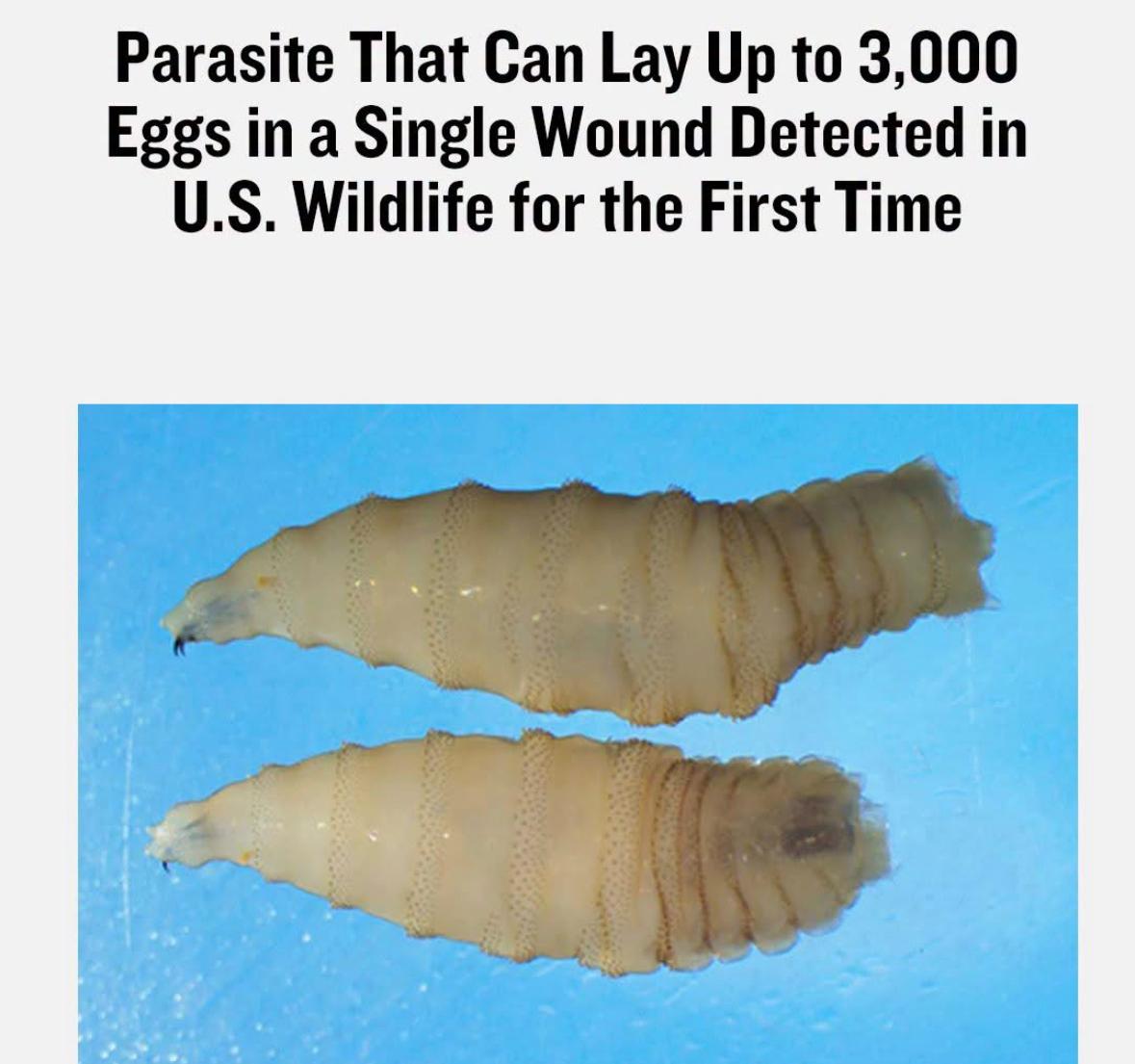
  • New World screwworm has made its way into America’s wildlife. Click the link in our comments for the full story. ⬇️

    New World screwworm has made its way into America’s wildlife. Click the link in our comments for the full story. ⬇️

    Parasite That Can Lay Up to 3,000 Eggs in a Single Wound Detected in U.S. Wildlife for the First Time

    The infected elk was found on a game ranch in Pecos County, Texas, and was reported after a hunter harvested it

    • Federal officials confirmed the flesh-eating parasite in an elk harvested on a Texas game ranch
    • The discovery expands an outbreak previously detected in livestock and dogs across Texas and New Mexico
    • Hunters are urged to report animals with worsening wounds, visible maggots or unusual behavior

    New World screwworm has made its way into America’s wildlife.

    The U.S. Department of Agriculture’s Animal and Plant Health Inspection Service (APHIS) confirmed the first detection of the flesh-eating parasite in U.S. wildlife on Wednesday, Oct. 21. The infested elk was on a game ranch in Pecos County, Texas, and was reported after a hunter harvested it, according to the agency.

    “Early reporting is one of the most important tools we have to protect wildlife, livestock, and pets in the United States,” the United States Department of Agriculture (USDA) said in the announcement.

    In response, the USDA and the Texas Parks and Wildlife Department are expanding wildlife surveillance around the ranch. At the same time, the Texas Animal Health Commission plans to redraw an infested zone it had previously established. Animals in that zone must be inspected and treated if necessary before they can be moved, REUTERS reported.


    According to the agency, hunters and others who spend time outdoors often encounter infected wildlife first. Officials asked them to watch for visible maggots in wounds or body openings; open wounds that drain or keep growing; foul-smelling injuries; and animals that seem weak, lethargic, isolated, or distressed, as well as signs of infestation around the nose, mouth, ears, eyes, or genitals.

    According to the centre of disease control and prevention , the pest is a parasitic fly that deposits eggs in the open wounds or body openings of warm-blooded animals, and in rare cases, humans. Once hatched, the larvae feed on living tissue.


    Speaking at an American Veterinary Medical Association (AVMA) session in July, Nebraska delegate Dr. Theresa Kelliher called the fly’s 21-day life cycle “frighteningly efficient.” She said a single female can lay up to 3,000 eggs in one wound over a 10- to 30-day lifespan.

    “A quarter-inch wound on Day 1 can become a five-inch wound by Day 2,” Kelliher said, per the AVMA  “These are deep wounds that can penetrate into body cavities.”

    The flies are drawn to the scent of blood, Kelliher explained, which puts newborns, animals that recently gave birth, and those healing from surgery at higher risk. Even a tick bite can attract them. Infested animals may also act differently, shaking their heads, rubbing against trees, isolating or refusing food.

    To protect pets and livestock, the AVMA recommends keeping animals on routine parasite preventives, clearing yards and pens of hazards like sharp wire, exposed nails or broken fencing, and treating cuts, surgical sites and fly bites right away with an approved topical insecticide.

    The USDA says the parasite poses no food safety risk. Long entrenched in South America and parts of the Caribbean, screwworm has crept north through Central America and Mexico in recent years, and a travel-associated Human case was confired in US That patient recovered.

    Anyone who suspects an infestation should contact their veterinarian, state animal health official, or the USDA immediately.

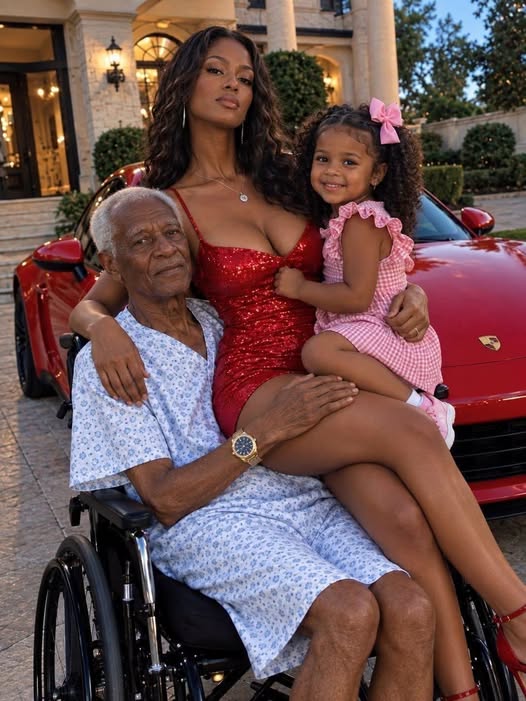
  • At 35, I married my wealthy 72-year-old boss so my daughter and I wouldn’t end up homeless. After he died, his lawyer looked at me and said, “He prepared this trap specifically for you… and he knew you would fall into it.” I was thirty-five years old when I married a seventy-two-year-old man. No, I didn’t love him at first. I simply didn’t see another way out. I grew up moving from one foster family to another, and from a very young age, I learned what it felt like to pack your suitcase and be sent to yet another stranger’s home, hoping that maybe this time they would keep you. My first husband, Ben, had grown up in the foster system too. Maybe that was why we understood each other so quickly. We weren’t rich. I worked in a small store, and Ben was a mechanic. But we had a modest apartment, an old car, and our daughter, Sophie. That was enough for us. Until Ben got sick. After a year of fighting, I lost him. I was left with medical debt, a one-year-old daughter, and a life I had no idea how to keep together. I started working as a housekeeper in the mansion of a wealthy older man named William. William was seventy-two, widowed, and completely alone. I cleaned his house, prepared his breakfast, and did his shopping. But my salary wasn’t enough. When Sophie got sick, I could barely afford her medication. Then my landlord gave me one month to leave because I had fallen behind on the rent. I remember standing in William’s kitchen that evening, quietly crying. He walked over to me. “Laura, what happened?” I told him everything. He remained silent for a long time. A few days later, he called me into his study. “I know this is going to sound crazy,” he said. “But I’ve fallen in love with you. Marry me.” I couldn’t speak. Then he added: “You and Sophie will have a home here. No one will ever be able to throw you out again.” I looked at him and thought about my daughter. And I said yes. Five years later, William died. During those years, he taught Sophie how to play chess, attended her school events, and became much more to me than simply the man I had married because I was desperate. After his death, I assumed that at least the house would remain ours. But the day after the funeral, his lawyer arrived. He sat across from me and said: “William knew you would fall into this entire trap.” I froze. “What trap?” The lawyer opened a folder, studied the documents inside for several seconds, then looked up at me. “First, there is something you need to hear. According to William’s official will, you will receive nothing from his estate. Not the house. Not the money. Not a single cent.” It felt as if someone had struck me in the chest. “That’s impossible… I was his wife.” The lawyer didn’t answer. Instead, he reached into his briefcase, pulled out a thick white envelope, and placed it on the table. My name was written across the front. In William’s handwriting. I reached for it, but the lawyer suddenly placed his hand over the envelope and stopped me. “Before you open this, there is something you need to know.” I stared at him. The expression on his face had completely changed. “Months before your husband died, he gave me very specific instructions. I was supposed to tell you first that you had inherited nothing… and only then was I allowed to give you this envelope.” “Why?” The lawyer stared at me silently for several seconds. Then he slowly pushed the envelope toward me. “Because he wanted to see whether, even after his death, you would do exactly what he predicted you would do. And Laura… you just did.” My heart began pounding. “What did I do?” He simply pointed at the envelope. “Open it. But I should warn you—after you do, everything you thought you knew about William is going to change.” Type KEYS and I’ll continue. (I know you’re curious about the next part, so please be patient and read on in the comments below. Thank you for your understanding of the inconvenience. please leave a ‘KEYS’ comment below and give us a “Like ” to get full story )👇

    At 35, I married my wealthy 72-year-old boss so my daughter and I wouldn’t end up homeless. After he died, his lawyer looked at me and said, “He prepared this trap specifically for you… and he knew you would fall into it.” I was thirty-five years old when I married a seventy-two-year-old man. No, I didn’t love him at first. I simply didn’t see another way out. I grew up moving from one foster family to another, and from a very young age, I learned what it felt like to pack your suitcase and be sent to yet another stranger’s home, hoping that maybe this time they would keep you. My first husband, Ben, had grown up in the foster system too. Maybe that was why we understood each other so quickly. We weren’t rich. I worked in a small store, and Ben was a mechanic. But we had a modest apartment, an old car, and our daughter, Sophie. That was enough for us. Until Ben got sick. After a year of fighting, I lost him. I was left with medical debt, a one-year-old daughter, and a life I had no idea how to keep together. I started working as a housekeeper in the mansion of a wealthy older man named William. William was seventy-two, widowed, and completely alone. I cleaned his house, prepared his breakfast, and did his shopping. But my salary wasn’t enough. When Sophie got sick, I could barely afford her medication. Then my landlord gave me one month to leave because I had fallen behind on the rent. I remember standing in William’s kitchen that evening, quietly crying. He walked over to me. “Laura, what happened?” I told him everything. He remained silent for a long time. A few days later, he called me into his study. “I know this is going to sound crazy,” he said. “But I’ve fallen in love with you. Marry me.” I couldn’t speak. Then he added: “You and Sophie will have a home here. No one will ever be able to throw you out again.” I looked at him and thought about my daughter. And I said yes. Five years later, William died. During those years, he taught Sophie how to play chess, attended her school events, and became much more to me than simply the man I had married because I was desperate. After his death, I assumed that at least the house would remain ours. But the day after the funeral, his lawyer arrived. He sat across from me and said: “William knew you would fall into this entire trap.” I froze. “What trap?” The lawyer opened a folder, studied the documents inside for several seconds, then looked up at me. “First, there is something you need to hear. According to William’s official will, you will receive nothing from his estate. Not the house. Not the money. Not a single cent.” It felt as if someone had struck me in the chest. “That’s impossible… I was his wife.” The lawyer didn’t answer. Instead, he reached into his briefcase, pulled out a thick white envelope, and placed it on the table. My name was written across the front. In William’s handwriting. I reached for it, but the lawyer suddenly placed his hand over the envelope and stopped me. “Before you open this, there is something you need to know.” I stared at him. The expression on his face had completely changed. “Months before your husband died, he gave me very specific instructions. I was supposed to tell you first that you had inherited nothing… and only then was I allowed to give you this envelope.” “Why?” The lawyer stared at me silently for several seconds. Then he slowly pushed the envelope toward me. “Because he wanted to see whether, even after his death, you would do exactly what he predicted you would do. And Laura… you just did.” My heart began pounding. “What did I do?” He simply pointed at the envelope. “Open it. But I should warn you—after you do, everything you thought you knew about William is going to change.” Type KEYS and I’ll continue. (I know you’re curious about the next part, so please be patient and read on in the comments below. Thank you for your understanding of the inconvenience. please leave a ‘KEYS’ comment below and give us a “Like ” to get full story )👇

    I Married My Elderly Boss to Keep My Daughter and Me Off the Streets, but His Will Changed EverythingAt 35, I married my wealthy 72-year-old boss so my daughter and I wouldn’t end up homeless. After he died, his lawyer looked at me and said, “He prepared this trap specifically for you… and he knew you would fall into it.” I was thirty-five years old when I married a seventy-two-year-old man. No, I didn’t love him at first. I simply didn’t see another way out. I grew up moving from one foster family to another, and from a very young age, I learned what it felt like to pack your suitcase and be sent to yet another stranger’s home, hoping that maybe this time they would keep you. My first husband, Ben, had grown up in the foster system too. Maybe that was why we understood each other so quickly. We weren’t rich. I worked in a small store, and Ben was a mechanic. But we had a modest apartment, an old car, and our daughter, Sophie. That was enough for us. Until Ben got sick. After a year of fighting, I lost him. I was left with medical debt, a one-year-old daughter, and a life I had no idea how to keep together. I started working as a housekeeper in the mansion of a wealthy older man named William. William was seventy-two, widowed, and completely alone. I cleaned his house, prepared his breakfast, and did his shopping. But my salary wasn’t enough. When Sophie got sick, I could barely afford her medication. Then my landlord gave me one month to leave because I had fallen behind on the rent. I remember standing in William’s kitchen that evening, quietly crying. He walked over to me. “Laura, what happened?” I told him everything. He remained silent for a long time. A few days later, he called me into his study. “I know this is going to sound crazy,” he said. “But I’ve fallen in love with you. Marry me.” I couldn’t speak. Then he added: “You and Sophie will have a home here. No one will ever be able to throw you out again.” I looked at him and thought about my daughter. And I said yes. Five years later, William died. During those years, he taught Sophie how to play chess, attended her school events, and became much more to me than simply the man I had married because I was desperate. After his death, I assumed that at least the house would remain ours. But the day after the funeral, his lawyer arrived. He sat across from me and said: “William knew you would fall into this entire trap.” I froze. “What trap?” The lawyer opened a folder, studied the documents inside for several seconds, then looked up at me. “First, there is something you need to hear. According to William’s official will, you will receive nothing from his estate. Not the house. Not the money. Not a single cent.” It felt as if someone had struck me in the chest. “That’s impossible… I was his wife.” The lawyer didn’t answer. Instead, he reached into his briefcase, pulled out a thick white envelope, and placed it on the table. My name was written across the front. In William’s handwriting. I reached for it, but the lawyer suddenly placed his hand over the envelope and stopped me. “Before you open this, there is something you need to know.” I stared at him. The expression on his face had completely changed. “Months before your husband died, he gave me very specific instructions. I was supposed to tell you first that you had inherited nothing… and only then was I allowed to give you this envelope.” “Why?” The lawyer stared at me silently for several seconds. Then he slowly pushed the envelope toward me. “Because he wanted to see whether, even after his death, you would do exactly what he predicted you would do. And Laura… you just did.” My heart began pounding. “What did I do?” He simply pointed at the envelope. “Open it. But I should warn you—after you do, everything you thought you knew about William is going to change.” Type KEYS and I’ll continue. (I know you’re curious about the next part, so please be patient and read on in the comments below. Thank you for your understanding of the inconvenience. please leave a ‘KEYS’ comment below and give us a “Like ” to get full story )👇


  • 😭 Young woman dies at the hands of her…See more

    😭 Young woman dies at the hands of her…See more

    Heartbreaking News For Julia Roberts, we announce

    But as she filmed alongside Ewan McGregor, the 44-year-old Julia Roberts was almost unrecognizable, transforming from the glamorous actress known for her iconic role as Vivian Ward in the beloved 1990 film *Pretty Woman*.

    We have 117 exciting new singles available for you!

    *Killers of the Flower Moon (2023)**

    With her face stripped of makeup and dressed in a rather dowdy outfit, Julia underwent a significant transformation while filming emotional scenes for *August: Osage County* in Bartlesville, Oklahoma

    **On set:** The talented actress Julia Roberts and her co-star Ewan McGregor were hard at work filming their new movie *August: Osage County* on a busy Thursday afternoon.

    In an incredibly hysterical performance, Julia delivered a gripping tearful act that showcased her impressive range. The screen star, who in her personal life is a dedicated mother to three children with her cinematographer husband, Daniel Moder, layered up with a simple white shirt over a cream top, which she paired with loose-fitting blue jeans.

    Her long brunette locks were not glamorously styled for this role—she embodied the character of Barbara Weston, a member of a complex family dealing with emotional struggles and conflicts when their alcoholic patriarch mysteriously goes missing.

    During an especially intense scene, Ewan held Julia’s hand with great tenderness and anticipation as they walked down to a boat dock to identify a deceased body under the watchful eye of the Sheriff.

    **Mumsy appearance:** The *Pretty Woman* actress looked rather dowdy and ordinary as she filmed the heart-wrenching scene, where they had to confront the unimaginable task of identifying a dead body.

    Upon seeing the dead body, Julia’s composure broke, and she erupted into tears, seeking comfort in the embrace of Ewan’s character, Bill Fordham, as she continued to sob in his arms, fully embracing the emotional toll of the moment.

    Despite the overwhelming nature of the scene, moments later, between takes, Julia was found cracking up with laughter alongside her co-stars, illustrating her ability to shift from emotional intensity to light-heartedness seamlessly.

    The actress appeared particularly cheerful while interacting with Julianne Nicholson, who seemed to be pointing out something amusing to the group, bringing smiles amidst the intense storyline.

    **Not her usual look:** Julia wore her jeans and layered tops for the part of Barbara Weston, emphasizing the character’s practical and unembellished nature.

    Conversely, the *Boardwalk Empire* star, Julianne Nicholson, also opted for a dowdy look, sporting a casual blue shirt paired with brown flared trousers, neatly tying her hair back into a ponytail to fit the character’s understated style.

    This ensemble cast of the 2013 film also features remarkable talents like Benedict Cumberbatch, portraying ‘Little Charles Aiken’, and the legendary Meryl Streep, who plays the formidable Violet Weston.

    Notably, Chloë Moretz auditioned for the role of Jean Fordham but ultimately lost out to the talented Abigail Breslin, highlighting the competitive nature of the casting process for this acclaimed film.


  • 🚨Emotional Fox News Host Stops Live Show… 𝗦𝗲𝗲 𝗺𝗼𝗿𝗲

    WASHINGTON — President Donald Trump signaled that the United States and Iran could finalize an agreement within the next week to extend an interim ceasefire and reopen the Strait of Hormuz, projecting confidence about the diplomatic track despite fresh regional friction and conflicting signals from Tehran.

    The supplied report is brief, and its central point is a statement of confidence about negotiations rather than an announcement that an agreement has already been signed. The distinction between those two things matters. A prediction about the next week describes what the president expects or hopes can happen; it does not establish that the parties have resolved every outstanding issue or put a final arrangement into effect.

    The two objectives named in the paragraph are extending an interim ceasefire and reopening the Strait of Hormuz. They are presented as goals of the diplomatic track. The account does not provide the proposed terms, identify the negotiators, or explain the practical sequence through which those goals would be carried out. It therefore offers a snapshot of the president’s outlook rather than a detailed account of a completed settlement.

    Its reference to fresh regional friction adds a qualification to the confident tone. Diplomatic optimism can exist alongside unresolved disagreements, and the paragraph explicitly acknowledges conflicting signals from Tehran. Those signals are not described in enough detail here to determine what they mean for the negotiations. They indicate uncertainty within the source’s own account, which should remain visible rather than being replaced with a definite prediction about the outcome.

    An interim ceasefire, as the wording suggests, is a temporary arrangement. Discussing an extension means discussing whether the period of restraint can continue beyond its existing limits. The source connects that prospect with the possibility of reopening the strait, but it does not specify whether the two measures would begin together, depend on separate conditions, or form parts of one agreement. Those details remain outside the information supplied.

    The time reference also belongs to the report’s original context. The phrase about the next week is not a permanent deadline that can be applied whenever the article is read. Without a subsequent statement or a documented agreement, this brief passage cannot establish what eventually happened. It records an expressed expectation at the time of the account, with the uncertainties that the same paragraph acknowledges.

    The clearest reading is therefore a limited one: Trump expressed confidence that the United States and Iran could reach an arrangement, while the source noted continuing friction and mixed signals. The report supplies no final terms or confirmed implementation. Its importance lies in the diplomatic possibility it describes, and its limit lies in the absence of a concluded outcome. Keeping both points together preserves the difference between an optimistic statement and a completed agreement.

  • 4 Elegant Dresses, 4 Different Styles: Which One Matches Your Personality Best?👇

    4 Elegant Dresses, 4 Different Styles: Which One Matches Your Personality Best?👇

    4 Elegant Dresses, 4 Different Styles: Which One Matches Your Personality Best?

    Have you ever looked at four beautiful outfits and immediately felt drawn to one particular style? The colors, shapes, and details we prefer can reflect our personal tastes, moods, and individual sense of style. Although clothing choices cannot scientifically determine someone’s personality, they can offer a fun way to explore how we express ourselves through fashion.


    In the image below, a woman is wearing four elegant dresses, each with its own color, neckline, and distinctive design. Take a moment to look at all four options. Which dress catches your attention first? Would you choose the timeless black design, the refreshing emerald green, the rich chocolate brown, or the sophisticated navy blue
    Choose the dress you like most without overthinking your decision. Then, read the corresponding description below to discover a playful interpretation of your fashion preferences. Remember, there are no right or wrong answers, and your choice is simply an opportunity to reflect on your individual style.


    Dress 1: The Elegant Black One-Shoulder Dress
    If you selected Dress 1, you may appreciate classic fashion with a modern twist. The black color, asymmetrical neckline, and carefully designed silhouette create a look that feels confident, polished, and distinctive

    Your preference may suggest that you enjoy simplicity and appreciate clothing that makes a strong impression without relying on too many details. You might prefer practical choices, clear communication, and a wardrobe filled with versatile pieces that work for different occasions.


    You may also enjoy expressing your individuality through small but noticeable details. Rather than following every passing trend, you might choose styles that feel comfortable and authentic to you. For you, elegance can mean feeling confident in your own decisions while staying true to your personal taste

    Dress 2: The Beautiful Emerald Green Dress

    Did you choose Dress 2?

    This emerald green dress features delicate straps and a sweetheart neckline, creating a fresh and graceful appearance.

    Your selection may indicate that you appreciate natural colors, balanced designs, and a relaxed approach to fashion. Green is often associated with nature, renewal, and growth, making it an appealing choice for people who enjoy calm and refreshing visual styles.

    You might enjoy spending time outdoors, exploring creative hobbies, or sharing meaningful moments with friends and family . You may also prefer clothing that combines beauty with comfort, allowing you to feel confident without appearing overly formal.


    Dress 3: The Stylish Chocolate Brown Dress


    If Dress 3 caught your eye, you may be drawn to distinctive designs that combine earthy colors with modern details. The chocolate brown shade creates warmth, while the halter neckline gives the dress a contemporary appearance


    This preference may suggest that you enjoy experimenting with fashion while maintaining a sense of individuality. You might appreciate creative ideas, unusual combinations, and clothing that feels different from what everyone else is wearing

    You may also value authenticity and prefer making decisions based on your own interests rather than simply following popular trends. When choosing outfits, you might look for pieces that express your personality and make everyday style more interesting.

    For you, fashion can be a creative outlet, offering opportunities to experiment, discover new preferences, and develop a look that feels genuinely your own


    Dress 4: The Sophisticated Navy Blue Dress

    If you selected Dress 4, you may love timeless elegance and refined details. The navy blue color and off-the-shoulder neckline create a graceful look that feels suitable for many special occasions.

    Your choice may reflect an appreciation for coordinated outfits, classic colors, and thoughtful presentation. You might enjoy planning ahead, keeping things organized, and choosing clothing that remains stylish beyond temporary trends.

    You may also prefer a polished appearance that feels comfortable and natural rather than overly complicated. Small details, such as matching accessories or a well-chosen pair of shoes, might be your favorite way to complete an outfit.


    Your style reminds us that elegance does not need to be complicated. Sometimes, a simple design, a beautiful color, and a confident attitude are enough to create a memorable look.

    Which Dress Did You Choose?

    Each dress offers a different approach to fashion, from bold simplicity to natural beauty, creative expression, and timeless sophistication.

    Your favorite option may reflect the colors and designs you currently enjoy, but it does not define your entire personality. Individual preferences change, and everyone can appreciate several different styles.

    Share your choice: Dress 1, Dress 2, Dress 3, or Dress 4. Which design best matches your personal taste, and what do you like most about it? Sometimes, discovering your favorite style is simply about enjoying fashion and celebrating the freedom to express yourself.