Category: Uncategorized

  • Police find girl missing since 2022: ‘She was n… See more

    Police find girl missing since 2022: ‘She was n… See more

    Police locate girl missing since 2022: ‘She was n… See more

    When a missing child is found alive, the story the world thinks it wants—pure triumph, neat closure—simply does not exist. A town that once stapled flyers and searched ditches now has to learn how to step back, to let trained advocates, therapists, and investigators move carefully where grief and survival intersect.


    The same neighbors who once begged for any detail must now learn to live without knowing everything, to accept that the most important chapters will be written in private, behind closed doors, at a pace set by a child who has already endured too much.


  • 💔 The Hollywood Icon Everyone Adored Just Passed Away… See more ­

    💔 The Hollywood Icon Everyone Adored Just Passed Away… See more ­

    💔 The Hollywood Legend Everyone Loved Just Passed Away… See more

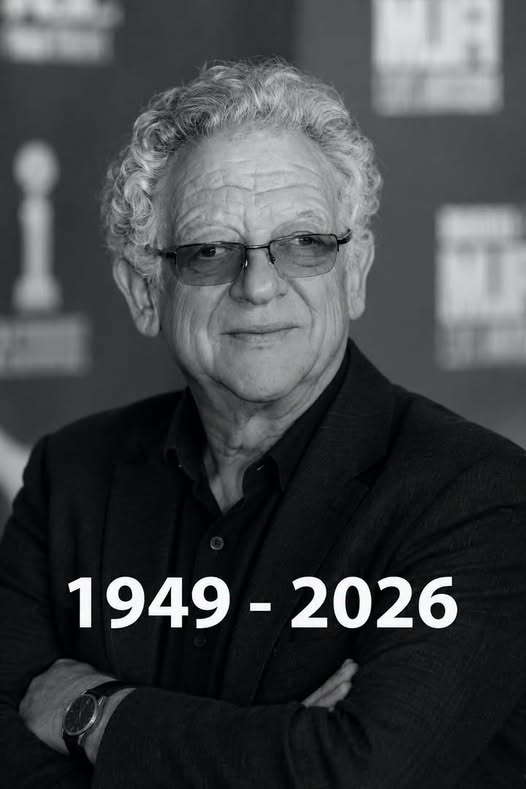
    For fifty years, Jeremy Thomas moved through world cinema like a quiet storm, pushing through films that polite industry logic insisted should never exist. He stood behind directors when money men fled, betting his reputation on dangerous scripts, taboo subjects, and fragile visions that could easily have collapsed. That stubborn faith birthed works like *Crash*, *Merry Christmas, Mr. Lawrence*, and *The Last Emperor*, films that bent the medium instead of bowing to it.


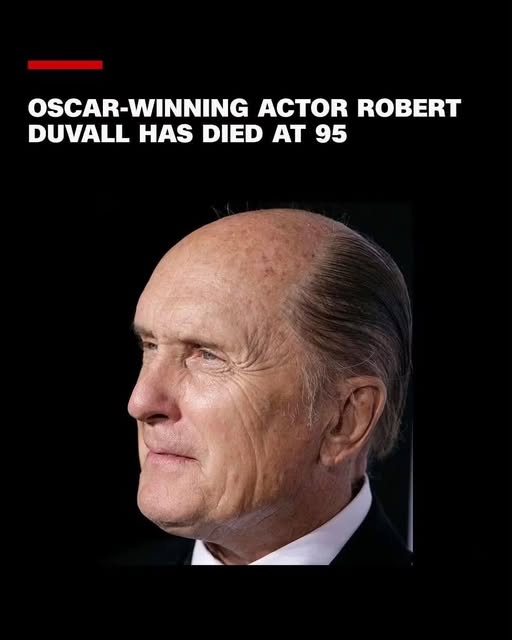
  • Oscar-winning actor Robert Duvall, best known for roles in “The Godfather” and “Apocalypse Now,” has died at 95.

    Oscar-winning actor Robert Duvall, best known for roles in “The Godfather” and “Apocalypse Now,” has died at 95.

    Oscar-winning actor Robert Duvall, best known for roles in “The Godfather” and “Apocalypse Now,” has died at 95.


    Robert Duvall: Remembering an Oscar-Winning Giant of American Cinema
    Robert Duvall, one of the most respected and enduring actors in American cinema, has died at the age of 95. Over a career spanning more than six decades, Duvall built a reputation for extraordinary versatility, understated intensity, and an ability to give even supporting characters remarkable emotional depth. From his unforgettable portrayal of Tom Hagen in The Godfather to his haunting performance as Lieutenant Colonel Bill Kilgore in Apocalypse Now, Duvall became a defining presence in generations of American filmmaking.

    His death marks the passing of an actor whose career was far larger than any single role. Duvall worked across crime dramas, westerns, war films, courtroom stories, family dramas, television productions, and independent cinema. He earned an Academy Award for his performance in Tender Mercies and received multiple additional Oscar nominations throughout his career. Yet awards and famous characters tell only part of the story. Duvall’s greatest achievement was perhaps his ability to make audiences believe that the people he portrayed existed before the camera arrived and would continue to exist after the scene ended.

    Born in San Diego, California, in 1931, Duvall developed an interest in acting at a time when American cinema was undergoing major changes. He studied at Principia College and later trained at the Neighborhood Playhouse School of the Theatre in New York, where he studied under influential acting teacher Sanford Meisner. That training helped shape an approach centered on natural behavior, emotional truth, and careful observation.

    Duvall’s early career was rooted in theater and television. Like many actors of his generation, he gradually built his reputation through smaller roles before becoming a major film star. His screen career began with appearances in the late 1950s, and one of his early breakthrough performances came in the 1962 classic To Kill a Mockingbird. As Arthur “Boo” Radley, Duvall had relatively little dialogue, yet his performance became one of the film’s most memorable elements. The role demonstrated something that would become a defining characteristic of his career: he understood that acting did not always require speaking.

    Duvall could communicate enormous amounts through posture, expression, silence, and small gestures. This quality made him particularly effective in roles involving emotionally restrained or complicated men. Rather than announcing what a character was feeling, he often allowed audiences to discover those feelings gradually.

    His career changed dramatically when he appeared in Francis Ford Coppola’s The Godfather in 1972. The film, adapted from Mario Puzo’s novel, became one of the most influential works in American cinema. Duvall played Tom Hagen, the adopted son of Don Vito Corleone and the family’s trusted lawyer and consigliere.

    Tom Hagen was not a conventional action character. His power came from intelligence, loyalty, diplomacy, and his understanding of the Corleone family’s internal world. Duvall approached the character with restraint. While Marlon Brando’s Don Corleone and Al Pacino’s Michael Corleone commanded enormous attention, Duvall’s Hagen served as a stabilizing presence within the family.

    The performance earned Duvall an Academy Award nomination for Best Supporting Actor. More importantly, it established him as one of the leading character actors of his generation. Tom Hagen became inseparable from the mythology of The Godfather, and Duvall returned to the role in The Godfather Part II in 1974.

    The success of The Godfather did not lead Duvall to pursue only glamorous leading roles. Instead, he continued to build a career around complex characters. His filmography became notable for its variety. He could play lawyers, soldiers, criminals, fathers, preachers, ranchers, police officers, and deeply troubled men without allowing one performance to simply repeat another.

    His collaboration with Francis Ford Coppola continued with Apocalypse Now, released in 1979. The film, inspired partly by Joseph Conrad’s Heart of Darkness, portrayed the Vietnam War through a surreal and psychologically disturbing journey. Duvall played Lieutenant Colonel Bill Kilgore, an eccentric and charismatic military officer.

    Kilgore is one of the most memorable characters in American war cinema. He is simultaneously terrifying, absurd, confident, and strangely charismatic. Duvall’s performance captured the contradictions of a military culture in which destruction could coexist with an almost casual appreciation of beauty.

    The film’s famous surfing sequence became particularly iconic, and Duvall’s performance helped turn Kilgore into a cultural reference point. His delivery of the character’s memorable observations about combat and surfing demonstrated his ability to combine humor with menace.

    The role earned Duvall another Academy Award nomination. It also reinforced his reputation for creating characters who could dominate a scene without behaving like traditional movie heroes.

    Perhaps the most important performance of Duvall’s career came a few years later with Tender Mercies. Released in 1983, the film offered a very different kind of role. Duvall played Mac Sledge, an alcoholic former country music singer attempting to rebuild his life.

    Unlike the larger-than-life energy of Kilgore, Mac Sledge was quiet, wounded, and introspective. The film depended heavily on Duvall’s ability to communicate regret and vulnerability without excessive melodrama. His performance earned him the Academy Award for Best Actor.

    His Oscar-winning portrayal remains one of the strongest examples of his acting philosophy. Mac Sledge does not transform through a series of dramatic speeches. Instead, his redemption emerges through ordinary choices and small moments. Duvall made the character’s struggle feel intimate and believable.

    The film also reflected a recurring theme in Duvall’s career: damaged people attempting to find dignity. His characters were frequently flawed, but he rarely treated them as simple villains or heroes. He looked for the human being underneath the role.

    Duvall continued to receive major recognition throughout his career. He earned Oscar nominations for The Great Santini, Apocalypse Now, The Apostle, and The Judge, among others. His television work was equally impressive. He received Emmy Awards for his performances and became particularly associated with prestige television projects.

    One of his most celebrated television performances came in Lonesome Dove, the acclaimed 1989 Western miniseries. Duvall played Augustus “Gus” McCrae, a charismatic former Texas Ranger. The role allowed him to demonstrate a different side of his abilities, combining humor, warmth, toughness, and melancholy.

    For many viewers, Gus McCrae became one of the definitive television Western characters. Duvall’s performance showed why he remained valuable to filmmakers even after decades in the industry. He could make a character feel larger than life while keeping the performance grounded.

    Duvall also remained active in later decades, appearing in films such as A Civil Action, The Road, Get Low, and The Judge. His work in The Judge earned him another Academy Award nomination, demonstrating that his abilities remained highly regarded even late in his career.

    One reason for Duvall’s longevity was his refusal to rely entirely on celebrity. He did not need to be the central figure in every film. In many productions, his presence strengthened the entire cast. Directors could give him a relatively limited amount of screen time and still expect him to create a character audiences would remember.

    This is the hallmark of a great character actor: the ability to make a role feel essential even when the story technically belongs to someone else. Duvall possessed that quality in abundance.

    His influence extended beyond individual performances. Younger actors and filmmakers frequently cited him as an example of serious, disciplined screen acting. Duvall represented a generation in which actors were increasingly interested in realism and psychological complexity. He helped demonstrate that an actor did not need to perform loudly to make a powerful impression.

    His private approach to fame also contributed to his image. Unlike many Hollywood stars, Duvall generally maintained a relatively low-key public persona. He was respected more for his work than for celebrity spectacle. Interviews often revealed an actor deeply interested in the craft itself.

    That dedication was visible in the diversity of his roles. He could move from the criminal world of The Godfather to the battlefield of Apocalypse Now, from the wounded musician of Tender Mercies to the American West of Lonesome Dove. Each role demanded a different emotional vocabulary.

    His career also demonstrated the importance of  aging in Hollywood. Many actors struggle to find meaningful roles as they grow older, but Duvall continued to work well into his later years. He did not depend on youthful glamour. Instead, filmmakers increasingly valued the authority and life experience he brought to characters.

    There is a broader lesson in his career. Cinema is often remembered through its stars, but great films depend on performers capable of making fictional worlds convincing. Duvall belonged to that group of actors whose contributions can be felt even when audiences are not consciously analyzing the performance.

    When viewers revisit The Godfather, they see Tom Hagen as an essential part of the Corleone family. When they watch Apocalypse Now, Kilgore remains unforgettable. When they watch Tender Mercies, Mac Sledge’s quiet struggle remains deeply affecting. These characters survive because Duvall gave them something beyond dialogue and appearance: he gave them interior lives.

    His death therefore represents more than the loss of an Oscar-winning actor. It marks the end of an era in American acting. Duvall worked alongside some of the most important directors and performers of modern cinema and helped define the style of serious American screen acting.

    For audiences who grew up with his films, his death may feel like the closing of another chapter in Hollywood history. For younger viewers discovering his work for the first time, however, his performances will remain available as a lasting education in the possibilities of acting.

    Robert Duvall’s legacy is ultimately not defined by the number of awards he received or the length of his filmography. It is defined by the characters he made unforgettable and by the emotional honesty he brought to them.

    He understood that a great performance does not always demand attention. Sometimes it is a glance, a pause, a gesture, or a quiet sentence delivered with absolute conviction. That ability allowed him to disappear into characters while leaving an unmistakable mark on the films themselves.

    From Tom Hagen’s calculated loyalty to Kilgore’s unsettling confidence, from Mac Sledge’s search for redemption to Gus McCrae’s adventurous spirit, Duvall created a gallery of characters that will continue to speak to audiences long after his passing.

    American cinema has lost one of its most distinguished performers. But the films remain, and so does the evidence of a remarkable career. Robert Duvall’s work reminds us why acting remains one of cinema’s most powerful art forms: a talented performer can take words written on a page and turn them into people audiences feel they have truly known.

    At 95, Duvall leaves behind a body of work that stretches across generations. His characters will continue to appear on screens, in classrooms, in conversations among film lovers, and in the memories of audiences who encountered his performances at different moments of their lives.

    His career was long, varied, and extraordinarily accomplished. Above all, it was authentic. Robert Duvall did not simply play characters. He inhabited them. And that is why, even after his final curtain, so many of those characters will continue to live.

  • He didn’t raise his voice. He didn’t argue. He just stood up and said, “You don’t know where I’ve used my voice. You only know where you didn’t hear it.” And that’s whe… See more

    He didn’t raise his voice. He didn’t argue. He just stood up and said, “You don’t know where I’ve used my voice. You only know where you didn’t hear it.” And that’s whe… See more

    Denzel Washington’s Quiet Response Sparks A Powerful Conversation

    Denzel Washington’s Quiet Response Sparks A Powerful Conversation


    Denzel Washington is known for bringing a thoughtful presence to conversations about life, purpose, and personal growth. That calm approach became the focus of a widely shared story involving an appearance on The View, where a tense exchange was described as something very different from the usual heated television moment.

    According to the circulating account, Washington was discussing healing and personal perspective when the conversation reportedly became more challenging. Rather than responding with anger, the story portrays him as choosing restraint and allowing his message to speak for itself.


  • ICON DEAD .. With heavy hearts, we announce the passing… See more

    ICON DEAD .. With heavy hearts, we announce the passing… See more

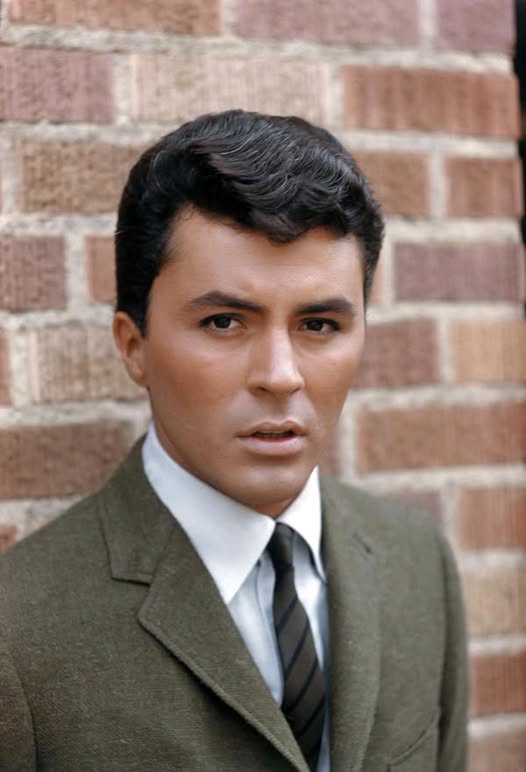
    Teen Idol Actor Passed Away At 88

    James Darren is gone, and a piece of Hollywood’s eternal summer has gone with him. At 88, the South Philadelphia boy who became Moondoggie leaves behind more than a famous smile: he leaves generations confronting how quickly youth becomes yesterday. Beyond the beach movies and applause stood a father whose quiet final chapter gives new weight to every mem…
    For audiences who discovered him in the Gidget films, James Darren embodied the irresistible possibility of being young. His charm made a beachside romance feel like something worth remembering forever. Yet the actor and singer refused to spend his career inside that sunlit image. He moved into television, pursued music, and worked behind the camera as a director, building a professional life that stretched well beyond the role that first made him a heartthrob
    His final days brought a vulnerability that fame could not soften. According to the account of his passing, doctors determined he was too weak to undergo the heart surgery he needed, and he died in his sleep. He was 88. The loss belongs first to his family and those who knew him personally. For admirers, his performances remain: reminders of an artist who kept finding new ways to connect, long after his first summer on screen
  • Will Smith & his handsome son Jaden break the internet in Versace menswear — redefining what masculinity really means

    Will Smith & his handsome son Jaden break the internet in Versace menswear — redefining what masculinity really means

    Will Smith & His Son Jaden Turn Heads in Versace Menswear — Redefining Modern Masculinity on the Red Carpet

    The red carpet has always been a space for fashion statements, but every so often, a moment goes beyond clothing and becomes a cultural conversation. In Los Angeles this week, that moment belonged to Will Smith and his son Jaden Smith, who appeared together in striking Versace menswear looks that immediately captured global attention


    What unfolded wasn’t just a celebrity fashion appearance — it was a visual statement about identity, generational influence, and the evolving definition of masculinity.

    From the moment they stepped into view, the contrast between their styles was unmistakable.

    Will Smith embraced a more traditional aesthetic, wearing a sharply tailored black suit elevated with subtle gold detailing. The look was clean, structured, and timeless — reflecting decades of red-carpet experience and a classic approach to menswear.

    Beside him, Jaden Smith delivered a completely different energy. His Versace ensemble featured flowing silhouettes, soft pastel tones, and unconventional cuts that challenged traditional expectations of men’s fashion. The look was expressive, fluid, and intentionally boundary-pushing.

    Together, they created a striking visual dialogue — one rooted in tradition, the other in experimentation.

    More Than Fashion: A Generational Statement

    While their outfits drew immediate attention, the deeper impact came from what their appearance represented.

    For years, Jaden Smith has been recognized as one of fashion’s most unconventional voices. He has consistently challenged rigid style norms, embracing designs that blur the lines between masculine and feminine expression. His fashion choices are often described not as rebellion, but as authenticity — a reflection of personal identity rather than external expectation.

    Will Smith’s presence added a different layer of meaning. As a long-standing global icon known for charisma, discipline, and mainstream success, he represents a more traditional image of masculinity. Yet standing beside his son in this moment suggested something more nuanced — acceptance, evolution, and mutual respect.

    What resonated most with audiences was not contrast, but unity.

    Rather than presenting opposing identities, the father-son duo appeared aligned in a shared understanding: that individuality should not be suppressed, even within family or public expectation.

    Their appearance suggested a quiet but powerful message:

    Masculinity can include creativity and softness

    Generational differences can coexist without conflict

    Support can be more powerful than conformity

    This dynamic helped transform a fashion moment into something emotionally resonant for many viewers.

    Social Media Reaction: Instant and Global

    As images spread online, reactions came quickly. Within minutes, the duo became a trending topic across platforms, with fans and fashion commentators praising the bold styling choices and the symbolism behind them.

    Many highlighted how rare it is to see public figures openly embracing non-traditional expressions of masculinity together, especially in such a visible setting. Others praised the combination of classic tailoring and avant-garde design as a reflection of modern fashion’s direction.

    Some users described the moment as “refreshing,” while others called it “a new standard for red-carpet confidence.”

    Beyond the viral attention, the appearance contributed to a broader cultural conversation already taking place in fashion and society.

    For decades, menswear has often been defined by strict guidelines: neutral colors, structured fits, and minimal experimentation. While those styles remain influential, modern designers and public figures are increasingly expanding the boundaries.

    Moments like this highlight a shift toward:

    In this evolving landscape, clothing becomes more than appearance — it becomes communication.

    Perhaps the most meaningful aspect of the moment was not the fashion itself, but the relationship it reflected.

    Despite their different public personas and artistic expressions, Will Smith and Jaden Smith appeared united in mutual respect. There was no sense of competition or contradiction — only a shared presence and visible support.

    That connection added emotional depth to an otherwise visual spectacle, turning a red-carpet appearance into something more enduring.

    In the end, the Versace moment featuring Will Smith and Jaden Smith was not simply about style — it was about perspective.

    It illustrated how masculinity continues to evolve, shaped by new generations willing to challenge expectations and older generations willing to listen, adapt, and support.

    Fashion may have been the medium, but the message extended far beyond it: identity is not fixed, and strength can take many forms.

    And sometimes, the most powerful statements are not spoken at all — they are worn, shared, and stood beside.


  • 20 minutes ago in Los Angeles, willsmith  has been confirmed as….See more in comment

    20 minutes ago in Los Angeles, willsmith has been confirmed as….See more in comment

    20 minutes ago in Los Angeles, wills smith has been confirmed as….See more

    Only minutes ago in Los Angeles, the name Wills smith  once again surged across social media and entertainment news feeds, instantly capturing global attention.The phrase “has been confirmed as…” sparked immediate curiosity, speculation, and excitement, reminding everyone how powerful a single headline can be when attached to one of Hollywood’s most recognizable figures. Yet, as is often the case in today’s fast-moving media landscape, the story is as much about anticipation as it is about confirmation.

    Wills smith  ’s career has spanned decades, crossing genres and generations. From his early days as a charismatic rapper and sitcom star to his evolution into a global film icon, pitt has consistently remained in the public eye. Because of this, any announcement connected to his name—whether professional or personal—carries weight.Fans, critics, and industry insiders alike are quick to react, dissecting every word for meaning and implication.The recent confirmation circulating from Los Angeles does not arrive in a vacuum. It comes after years of transformation in Smith’s public image,

    marked by moments of immense success, controversy, reflection, and gradual return. Each new development feels symbolic, as though it represents not just a career move, but another chapter in a larger narrative about resilience, accountability, and reinvention.

    What makes this moment particularly compelling is the restraint surrounding it. Details are limited. Official statements are careful. Instead of dramatic speeches or immediate appearances, there is a noticeable pause—a controlled release of information that allows curiosity to build naturally.In an era dominated by instant reactions, this quiet confirmation feels intentional, even strategic.

    Observers note that Los Angeles, long considered the heart of the entertainment industry, remains the backdrop for many pivotal moments in Smith’s journey. Announcements made there often signal more than a single project or role; they hint at broader direction.Whether this confirmation relates to film, music, production, or a new creative venture altogether, it reinforces the idea that Smith is still very much part of the cultural conversation.

    Equally important is how audiences respond. Some react with excitement and loyalty, eager to see what comes next. Others remain cautious, waiting for more information before forming opinions. This mixed reaction reflects a more mature public dialogue—one that acknowledges both admiration for past achievements and awareness of recent history.

    In many ways, the headline itself tells a story about modern fame.

    The words “See more” invite engagement, clicks, and speculation, but they also highlight how incomplete information fuels attention. It is no longer just about what is confirmed, but how the confirmation is revealed, framed, and received.

    Ultimately, this moment is less about the specific announcement and more about what it represents. It shows that Will Smith remains a figure capable of stopping the scroll, shifting the conversation, and commanding attention—sometimes without saying a word. As more details emerge, the meaning of this confirmation will become clearer. Until then, it stands as another reminder that in the world of celebrity and storytelling, even partial news can leave a lasting impact.


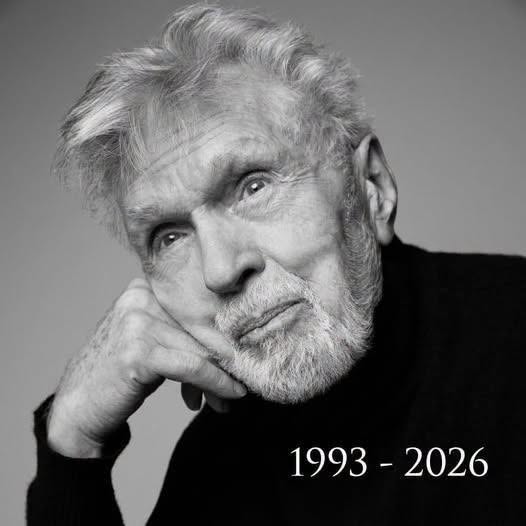
  • Hollywood Legend ….. D!es at 93…See more…

    Hollywood Legend ….. D!es at 93…See more…

    Tom Skerritt’s Most Memorable Roles Across Decades of Film and Television

    Tom Skerritt has built a respected place in Hollywood through decades of work in film and television. Known for his natural acting style, calm presence, and ability to bring depth to a wide variety of characters, he has appeared in productions that continue to attract audiences across generations. His career reflects years of dedication to storytelling and the performing arts.


    Among Skerritt’s best-known film appearances is Alien, the science-fiction production in which he played Dallas, the captain of the commercial spacecraft. His performance helped establish the character as a central figure in a story that became widely recognized within the science-fiction genre. The film remains an important part of his career and continues to be discussed by viewers who appreciate classic cinema.Another notable role came in Top Gun, where Skerritt portrayed Commander Mike Metcalf, known by the callsign Viper. The film introduced audiences to a memorable group of military aviation characters and became a popular title in American cinema. Skerritt’s portrayal brought experience and composure to the story, helping establish the character as a respected figure within the film’s fictional training environment.

    His achievements also extend to television. Skerritt starred as Sheriff Jimmy Brock in the drama series Picket Fences, which explored the personal and professional experiences of residents in a small American community. The series combined family relationships, local issues, and thoughtful storytelling, giving its cast opportunities to portray characters with different perspectives and responsibilities.

    Skerritt received an Emmy Award for his performance in Picket Fences in 1993, recognizing his work in television drama. The achievement became an important milestone in a career that has included a broad selection of roles across different genres. His performances have demonstrated an ability to move between film and television while maintaining a distinctive and approachable screen presence.

    Beyond individual awards and well-known productions, Skerritt’s career illustrates the value of consistency and versatility in the entertainment industry. Actors often contribute to a production in ways that extend beyond their dialogue, using expression, timing, and interaction with other performers to make fictional situations feel believable. Skerritt’s body of work provides several examples of how experienced performers can help bring stories and characters to life.

    When discussing public figures, accuracy is equally important. Claims about a person’s passing should be supported by reliable reporting or an official statement before being published as fact. An unconfirmed announcement should not be treated as an established obituary, especially when it concerns someone whose work has reached audiences around the world.

    For readers interested in classic Hollywood productions, Skerritt’s filmography offers plenty of opportunities to revisit memorable stories and performances. From science-fiction adventures to aviation dramas and award-winning television, his work represents a broad range of entertainment.

    His career remains a meaningful subject for film and television enthusiasts who appreciate skilled acting, enduring productions, and the people who help make memorable stories possible. Celebrating an actor’s professional achievements through accurate information allows audiences to appreciate that contribution without relying on unverified claims or unnecessary speculation.


  • A 9.1 magnitude earthquake also caused a tsunami in the city of… See more

    A 9.1 magnitude earthquake also caused a tsunami in the city of… See more

    Reports here, unbelievable earthquake with large magnitude warning just

    Reports here, unbelievable earthquake with large magnitude warning just A powerful 8.2 magnitude earthquake struck the Alaskan Peninsula late Wednesday, prompting tsunami warnings and heightened monitoring across the Pacific. The quake, at a depth of 35 km, occurred 91 km east-southeast of Perryville.

    No immediate damage or casualties were reported….CONTINUE READING IN BELOW

    Tsunami sirens were activated in places like Kodiak, as shown in a video obtained by Reuters.

    The US National Tsunami Warning Center (NTWC) issued alerts for

    southern Alaska and coastal areas from Hinchinbrook Entrance to Unimak Pass.watch below

    Hawaii and Guam were initially warned but later declared safe. Alaska Governor Mike Dunleavy

    confirmed the activation of the state’s emergency operations center.

    The Pacific Tsunami Warning Center and other national

    agencies, including those in Japan and New Zealand,

    began assessments for potential threats.

    The USGS reported at least eight aftershocks, two exceeding magnitude 6.0.


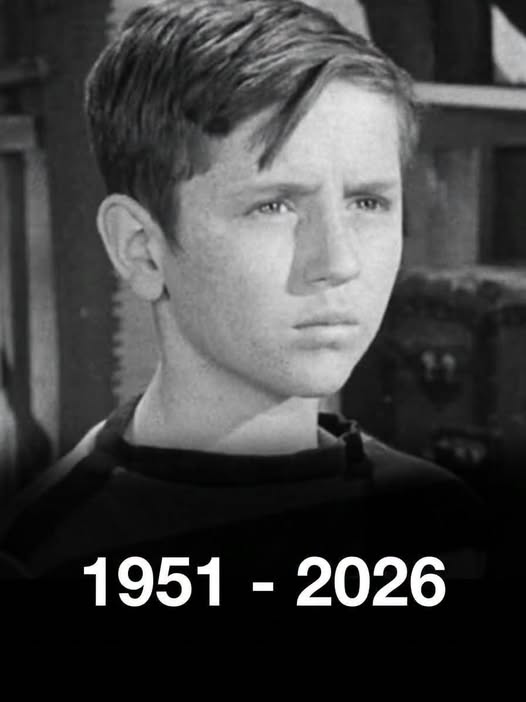
  • We are heartbroken to announce the d* ath of this beloved child actor…See more

    We are heartbroken to announce the d* ath of this beloved child actor…See more

    Dennis Rush Remembered for His Role in The Andy Griffith Show


    Dennis Rush, remembered for playing Howie Pruitt on The Andy Griffith Show, holds a special place in the memories of viewers who grew up watching classic American television. His appearance in the beloved sitcom connected him to a simpler world of small-town friendships, everyday adventures, and familiar characters. News of his reported passing at the age of 74 has brought renewed attention to his role and the lasting appeal of the television series that introduced him to audiences.

    Rush became known to viewers through his portrayal of Howie Pruitt, one of the children who appeared alongside Opie Taylor in the fictional town of Mayberry. Although his role was not the central focus of the show, his character helped create the natural atmosphere that made the series feel like a genuine community. The children of Mayberry were an important part of its charm, bringing youthful curiosity, friendship, and ordinary childhood experiences to the screen.

    A Familiar Face in Classic Television

    The Andy Griffith Show remains one of the best-known sitcoms in American television history. Set in the fictional town of Mayberry, the program followed Sheriff Andy Taylor, his son Opie, and the many residents who filled their days with humorous situations and meaningful interactions. Rather than relying on elaborate storylines, the series often found its appeal in simple conversations, family   relationships, and the small moments that make everyday life memorable.

    The show’s enduring popularity has allowed new generations to discover episodes long after their original broadcasts. For longtime viewers, familiar characters can bring back memories of family television nights, childhood routines, and a period when entertainment often centered on relatable situations and community life

    Rush’s contribution as Howie Pruitt remains part of that television legacy. Supporting characters helped make Mayberry feel populated by real people rather than simply serving as a backdrop for the main cast. Each appearance added another layer to the show’s portrayal of a close-knit town.

    The Lasting Appeal of Mayberry

    One reason The Andy Griffith Show continues to attract viewers is its emphasis on human relationships. The series presented friendship, family, responsibility, and understanding through stories that were accessible to a broad audience. Its humor frequently came from recognizable personalities and everyday misunderstandings rather than complicated plots

    The children who appeared in the series also played an important role in creating its welcoming atmosphere. Their interactions with Opie and the adults around them reflected the ordinary experiences of growing up, making the fictional town feel familiar to viewers from different backgrounds.

    For those revisiting the program today, these scenes offer an opportunity to appreciate the many performers who helped bring Mayberry to life. Even brief appearances can become memorable when they are part of a television series that audiences continue to enjoy.

    A Place in Television Memories

    According to the account shared about his passing, Rush was diagnosed with leukemia shortly before his death. While the news has drawn attention to his life, his work on The Andy Griffith Show provides a lasting connection to the entertainment history he helped create.

    His appearance as Howie Pruitt remains preserved in the show’s episodes, allowing audiences to encounter his performance whenever they return to the series. For classic television fans, remembering Rush is also an opportunity to recognize the many supporting performers whose contributions helped make beloved programs endure.

    Follow Stars

    Although television changes with every generation, familiar shows can continue to bring people together through shared memories. Dennis Rush’s role in Mayberry remains one small but meaningful part of that tradition.